Lawn restoration in Chisago County, MN brings a thin, patchy, or winter-damaged yard back to life without stripping it down and starting over. Our crews see the same pattern every spring: lake-adjacent lawns thinned by shade and moisture, clay pockets compacted from foot traffic, and turf that limped out of winter looking worse than it went in. This guide walks through what restoration actually involves, when to schedule it, and how to tell if your yard needs it versus a full renovation.
What Is Lawn Restoration?
Lawn restoration repairs damaged grass and reduces weed pressure by rebuilding soil health, correcting drainage, and reseeding thin areas, rather than removing the entire lawn. Exact methods vary by grass type, lawn condition, and local climate, which matters for lawn restoration in Chisago County, MN given the region's cold winters.
A moderate, chemical-light approach focuses on rebuilding the conditions that help grass compete naturally: soil support, aeration, overseeding, and organic fertility, instead of leaning on heavy product applications. It helps to separate restoration from full renovation early on:
- Restoration works with the turf you already have.
- Renovation means tearing out the old lawn and starting over.
Most Chisago County yards only need the former.
Why Do Lawns Become Patchy and Worn Out?
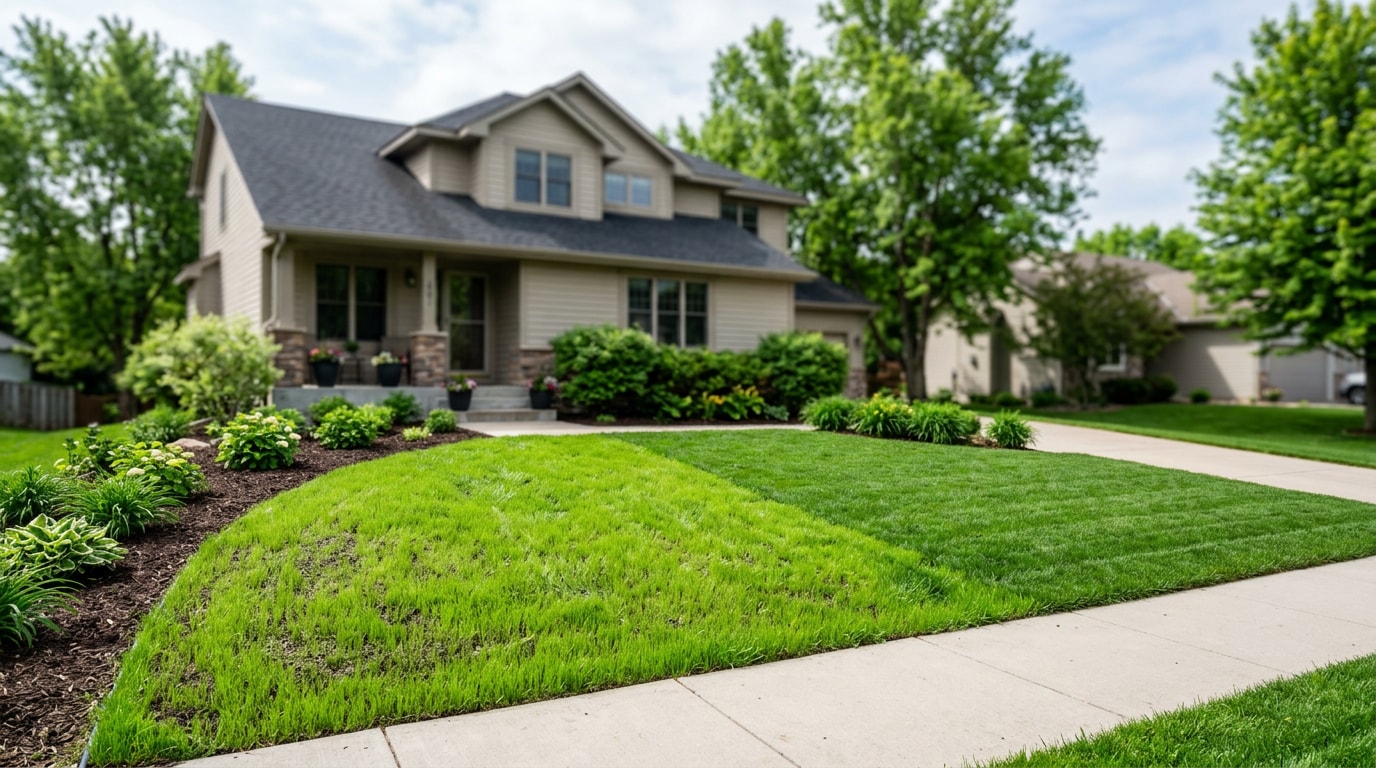
Homeowners often assume a patchy lawn needs another bag of fertilizer or a fresh weed treatment. More often, the real issue is that too little healthy turf remains to recover on its own.
In Chisago County, thinning shows up for regional reasons:
- Sandy soil pockets drain too fast for roots to stay hydrated.
- Clay-heavy sections stay compacted and starve roots of oxygen.
- Lakeshore properties deal with extra shade and moisture that invite disease.
Harsh winters add another layer of stress. Some parts of a lawn simply won't green up, leaving dead grass and bare spots, since winter stresses aren't well understood and turf loss can come from many factors. Common culprits include snow mold, which appears as circular patches of matted, grayish grass with white or pink fungal growth , and salt damage, which shows up as straw-colored grass next to sidewalks, driveways, and streets with the heaviest damage closest to the hardscape .
Do You Need a Complete Lawn Renovation?
A full lawn renovation is generally necessary once damaged areas cover roughly 40% or more of the lawn, especially when the problem extends into the soil itself. Below that threshold, most issues can be resolved through targeted repair rather than a complete renovation.
| If your lawn has... | The right move is usually... |
|---|---|
| Scattered bare or thin patches under 40% of the yard | Restoration (aeration, overseeding, soil amendments) |
| Damage across 40%+ of the lawn, down into the soil | Full renovation |
| Wrong grass species for Minnesota's sun/shade conditions | Renovation, since repair won't change the species |
| Severe, recurring disease or weed infestations | Renovation, to remove the underlying cause |
If you're unsure which category applies, the Landscape Renovation and Rejuvenation page breaks down repair versus renovation options in more detail.
What Can You Expect From a Professional Lawn Restoration Service?
A professional lawn restoration service starts with a full lawn assessment, not a one-size-fits-all treatment plan. A technician checks:
- Sun and shade exposure
- Drainage patterns and low spots
- Foot traffic and existing plantings
- Stumps or obstructions needing removal
- Soil biology underneath the grass, since healthy activity below matters as much as what's growing above it
Most Chisago County lawn restoration plans combine topsoil amendments, core aeration, and slit seeding or overseeding. A local crew also knows what to check that an outside company might miss, like lake-adjacent drainage concerns and the mix of clay and sandy glacial soils that varies block by block across the county.
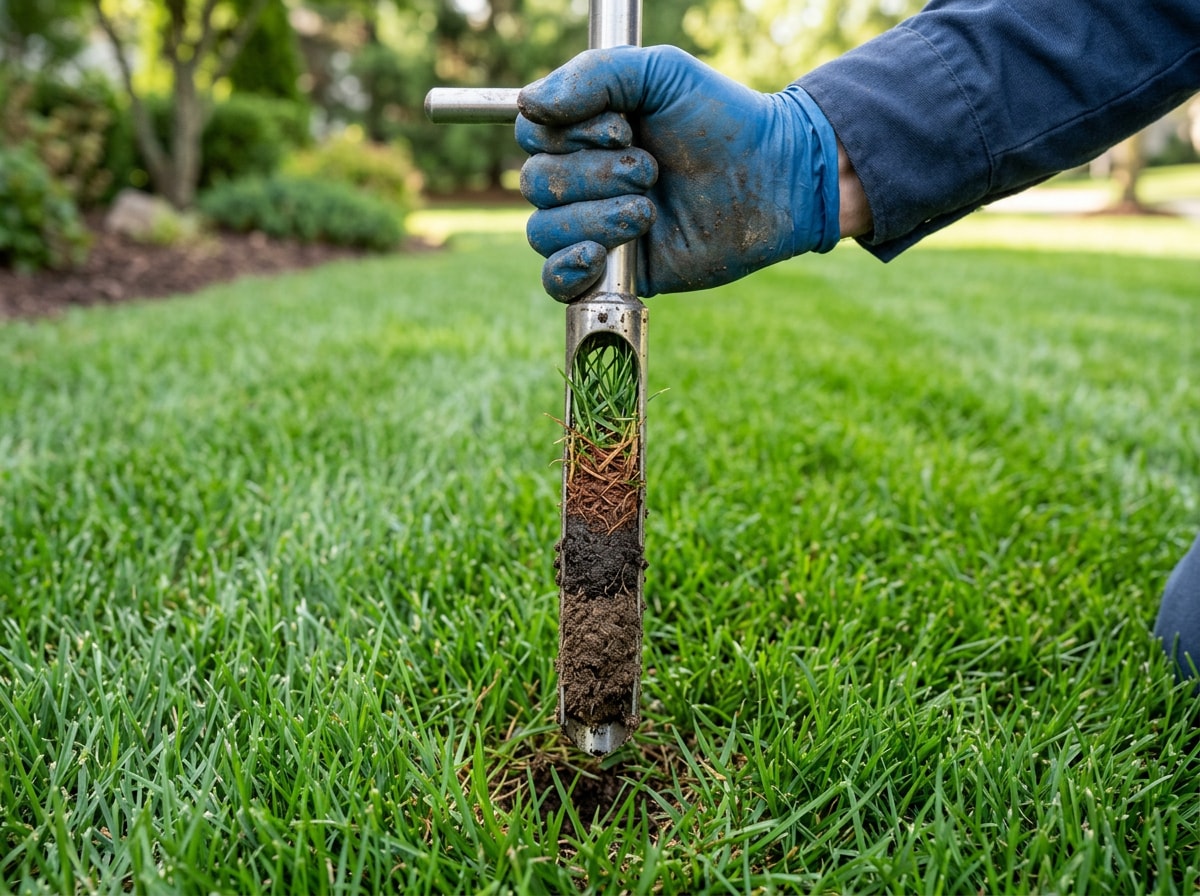
Request a lawn assessment to see what your yard specifically needs, or browse recent projects for examples of restoration work completed around the county.
When to Do Lawn Restoration
Restoration work can technically happen anytime the ground isn't frozen, but timing it to peak growing season makes the difference between grass that establishes quickly and seed that struggles. For most lawns, that means late summer or early fall.
In Chisago County, the ideal seeding window runs from mid-August through mid-September. Soil is still warm, nighttime temperatures start dropping, and weed pressure eases off, conditions that favor new grass over crabgrass and other competitors. Minnesota's metro area typically sees its first fall 32°F temperature between October 9 and 12 , which gives newly seeded grass roughly four to six weeks to root before the ground freezes. Spring restoration is possible but riskier: a narrow recovery window and unpredictable spring weather leave less margin for new seed to establish before summer heat stress sets in.
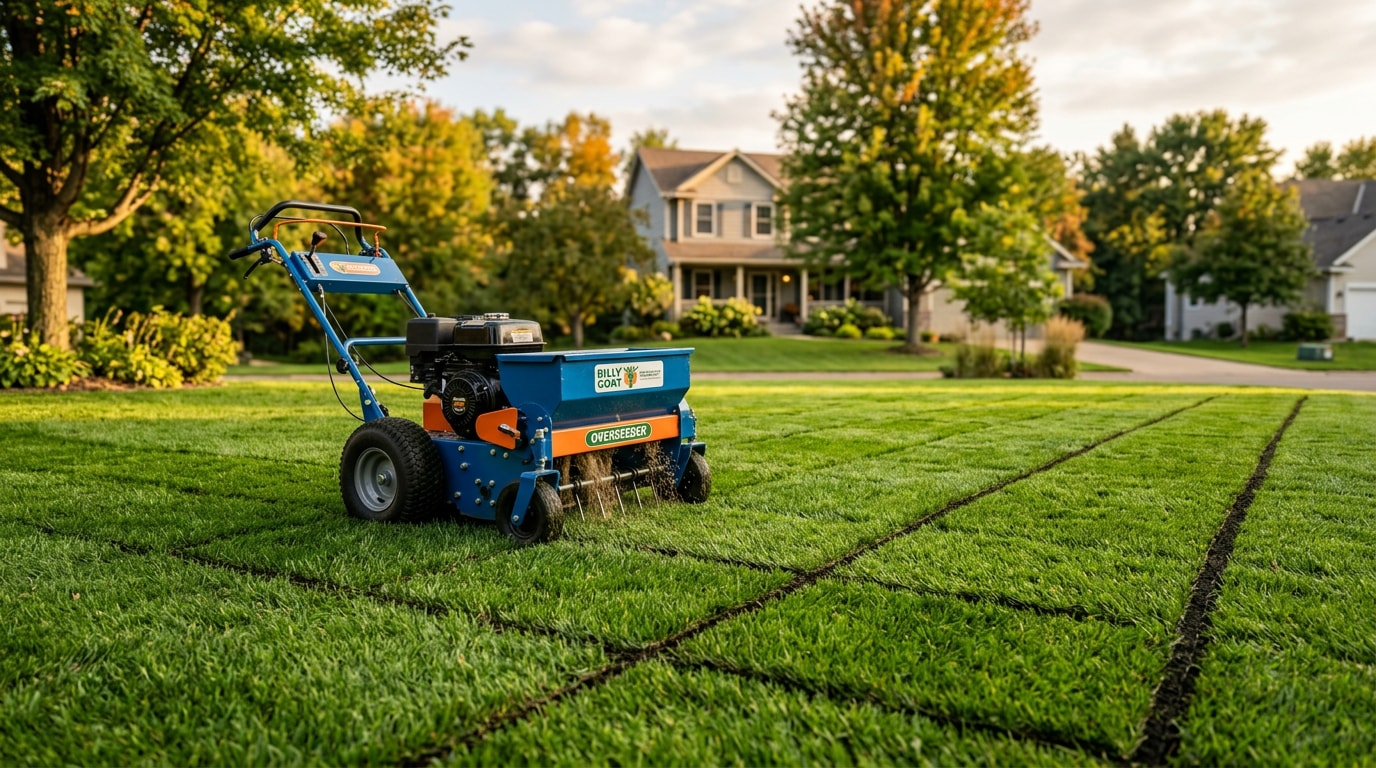
If you're planning the overseeding portion yourself, our Lawn Overseeder Rental in Chisago County, MN guide covers equipment options and timing in more detail.
Steps for Lawn Restoration
Once you've decided restoration is the right move, the process generally follows four stages, each building on the last.
1. Dethatch Your Yard
Dethatching comes first, removing the layer of dead organic material at the base of the grass. Too much thatch blocks water and nutrients from reaching the root system below. For severely damaged lawns, a crew may apply a product to kill off remaining turf or till it physically, then rake the area clear of thatch and debris before reseeding.
2. Aerate Your Lawn
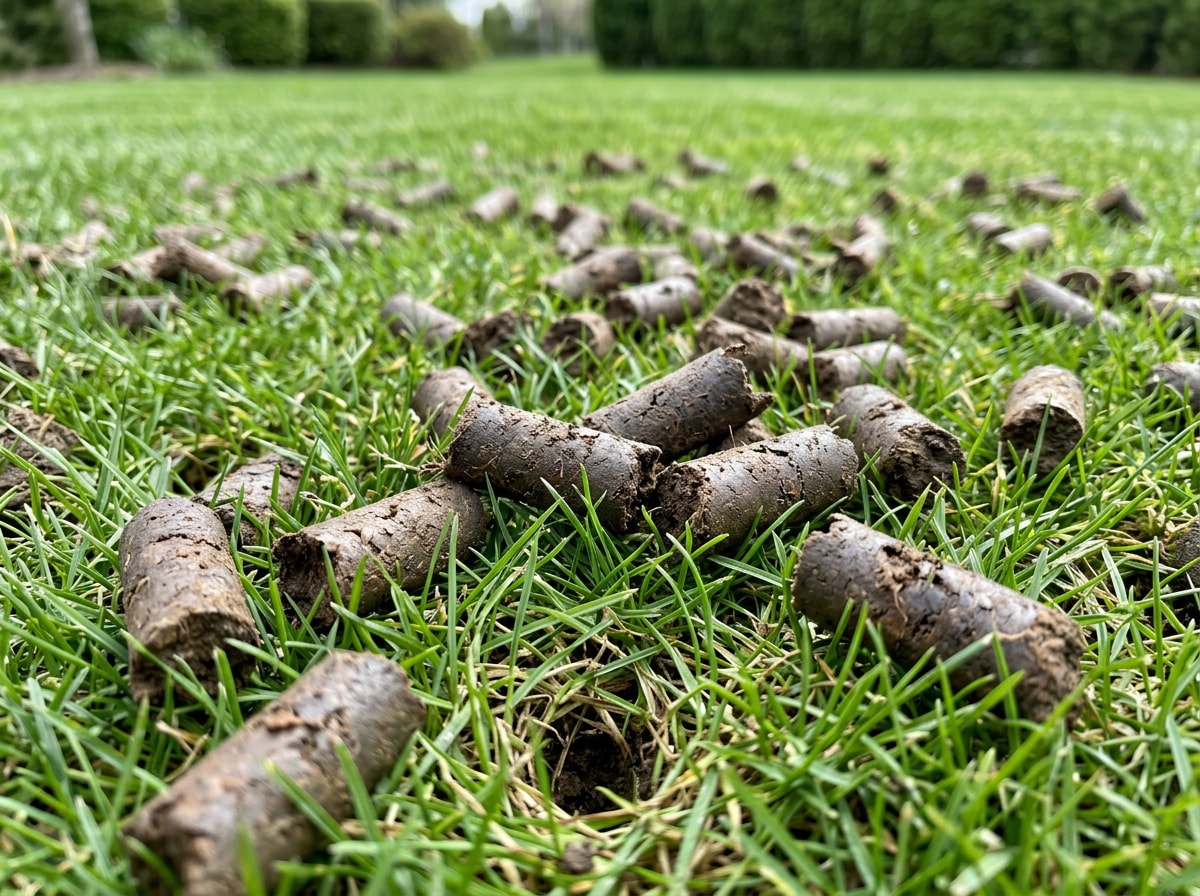
Aeration follows because compacted soil struggles to hold oxygen. A core aerator pulls small plugs of soil from the lawn, opening channels that let air, water, and nutrients reach the grassroots again. This step matters especially on Chisago County's clay-heavy sections, where compaction builds up faster than in sandier soils.
3. Spread Grass Seed
With thatch cleared and soil opened up, it's time to spread grass seed, concentrating on bare patches so they fill in evenly with the rest of the lawn. If weeds were choking out growth before restoration began, treating that underlying weed problem matters just as much as the seed itself, otherwise, new grass faces the same competition that caused the original damage. Our Grass Seed Installation service handles species selection and seeding rate for this stage.
4. Continue to Care for Your Lawn
The final step is ongoing care: consistent watering and mowing paired with an annual plan that includes spring and fall fertilization and pre-emergent weed control. Watering lawns during the cool morning hours, rather than midday, reduces evaporation and waste , a habit worth building from the first watering after seeding. For ongoing help in your area, our Landscape Maintenance plans keep restored lawns on track through the following seasons.
FAQ
How do I know if I need lawn restoration?
If routine maintenance, weed control, fertilization, and overseeding, isn't fixing the problem, your lawn may need full restoration. Common signs include persistent weeds, bare spots, thin turf, slow or uneven growth, a bumpy surface, compacted soil, recurring disease or insect damage, and soil nutrient deficiencies that keep showing up no matter what you apply.
What's the difference between lawn restoration and lawn renovation?
Restoration repairs and rebuilds the lawn you already have through aeration, overseeding, and soil amendments. Renovation removes the existing turf and starts over, usually because the grass species is wrong for the site or damage runs too deep to repair.
When is the best time for lawn restoration in Chisago County?
Mid-August through mid-September is the best window. Soil is still warm, nights are cooling off, and weed competition drops, giving new seed four to six weeks to root before the ground freezes.
Can I do my own lawn restoration?
It depends on your lawn's condition and how much time and equipment money you're willing to spend. Light dethatching and overseeding are manageable DIY projects for many homeowners. But lawns needing turf removal, soil leveling, or a major restoration are typically a bigger undertaking than rental equipment and a weekend can handle, making professional help the more practical route.
How much does lawn restoration cost?
Cost depends on your lawn's size, the treatment needed, and how severe the damage is. Light repair work, like overseeding and aeration, costs far less than a full renovation involving soil replacement or turf removal. Because every yard is different, the most accurate number comes from a custom quote request rather than a generic estimate.
Ready to fix a worn-out lawn before the next seeding window closes? Get a free estimate from the team at Sunrise Lawns & Landscaping, serving Chisago County and the surrounding area.