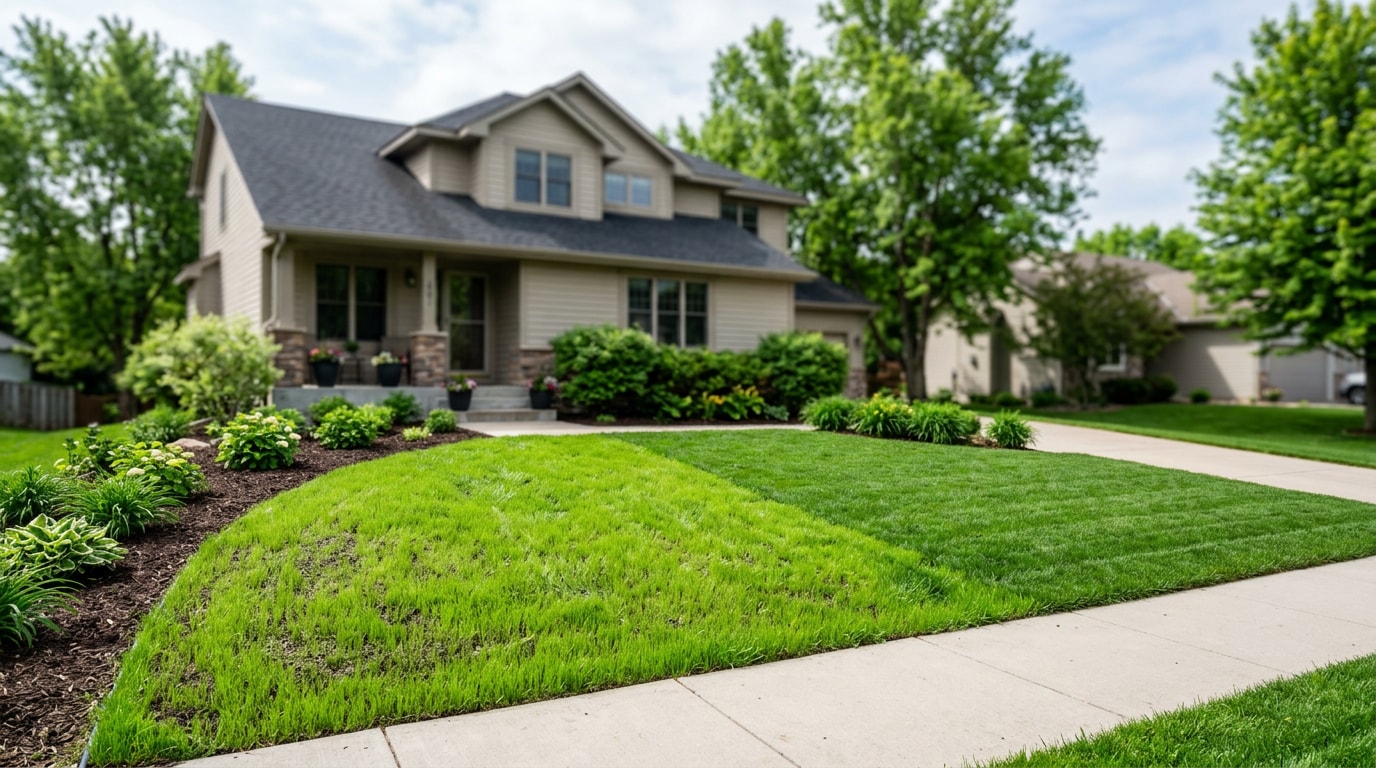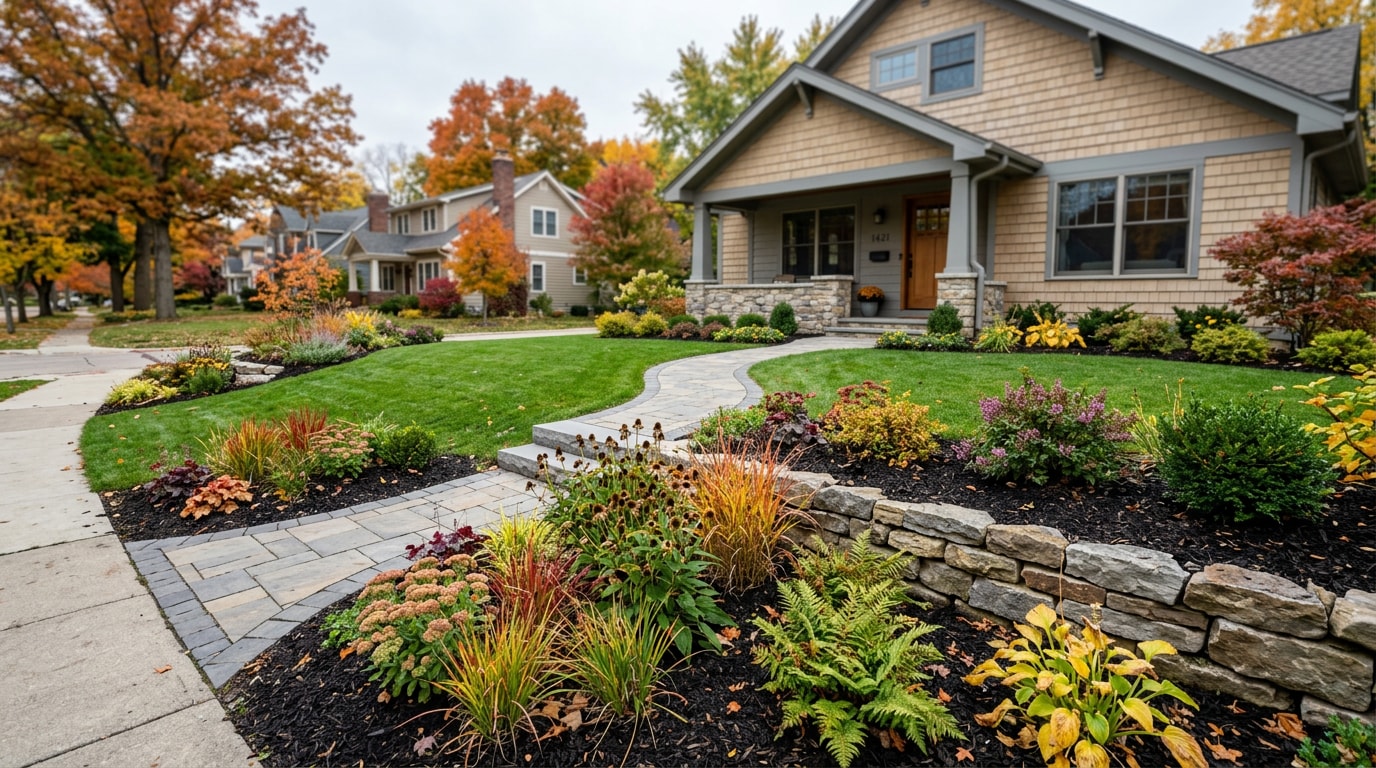
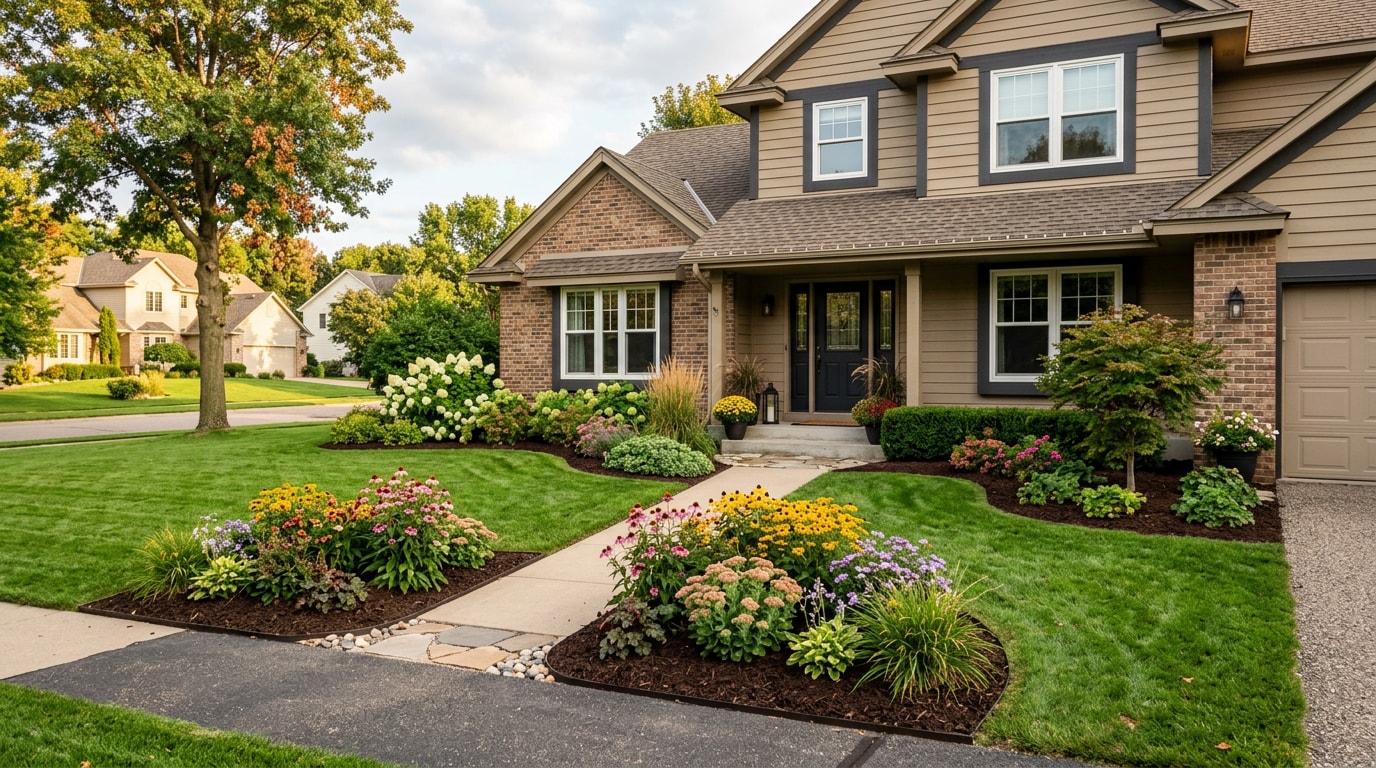
Front garden landscaping in Washington County, MN has to do two jobs at once: look sharp from the curb and survive a winter that splits the county across two hardiness zones. Homeowners in Stillwater, Woodbury, Cottage Grove, and Lake Elmo call us with the same short list of problems: an overgrown foundation bed, a slope that washes out every spring, a lawn that never fills in, or a yard that just needs to look ready before an open house. Here's what actually works in this county, plant by plant and dollar by dollar.
Why Washington County's Climate Changes Your Plant List
Washington County doesn't sit neatly in one hardiness zone, and that detail gets glossed over in most front-yard guides. The 2023 USDA Plant Hardiness Zone Map splits the county between Zone 4b and the slightly milder Zone 5a, with the warmer pocket running through the Twin Cities-adjacent communities. You can check your exact zone on the USDA Plant Hardiness Zone Map before you commit to anything borderline-hardy.
That half-zone difference is bigger than it sounds. On the properties our crews plant each spring, it shows up most in broadleaf evergreens, tea roses, and some hydrangea varieties. A shrub that sails through a 5a winter in Woodbury can get knocked back to the ground a few miles away. The Washington County Master Gardener Volunteer Program has a good local breakdown of what the newer zone map means for area gardeners if you want the full picture before buying plants.
Front Yard Styles That Work Here
Three styles cover most of what we install in this county. They differ in upkeep, upfront cost, and the kind of home they suit.
| Style | Upfront Cost | Maintenance | Best For |
|---|---|---|---|
| Traditional / Classic | Moderate | Low to moderate | Older neighborhoods, historic homes near Stillwater |
| Cottage Garden | Lower | Higher (seasonal shaping) | Homeowners who enjoy hands-on gardening |
| Native Plant Garden | Moderate to higher upfront | Low once established | Low-water, low-maintenance goals |
Traditional / Classic
Evergreen foundation shrubs like boxwood, holly, and viburnum anchor this look. It suits older Washington County neighborhoods, particularly historic homes around Stillwater, and needs only moderate pruning once established.
Cottage Garden
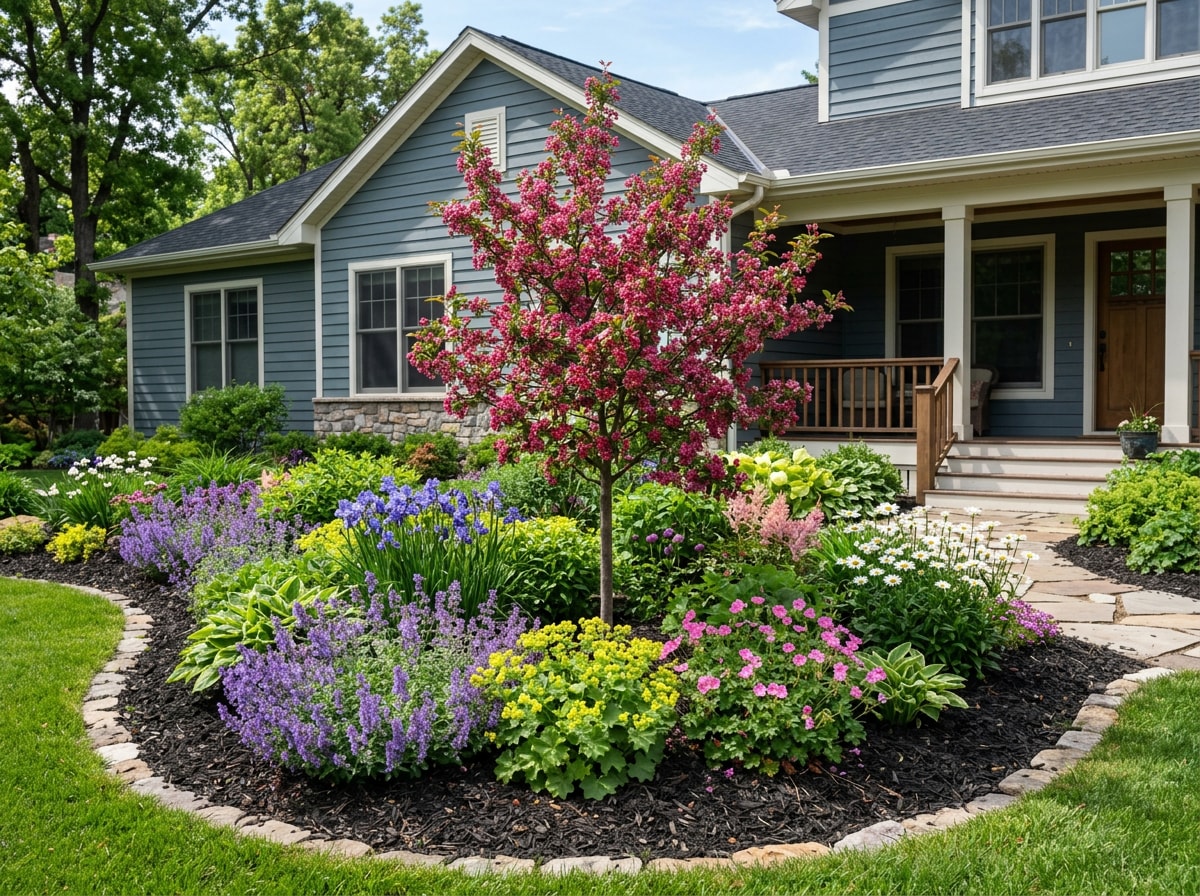
A cottage garden leans on cold-hardy perennials planted in dense, informal drifts. It costs less upfront than a structured design but demands more seasonal maintenance to keep the mix from looking unruly by August.
Native Plant Garden
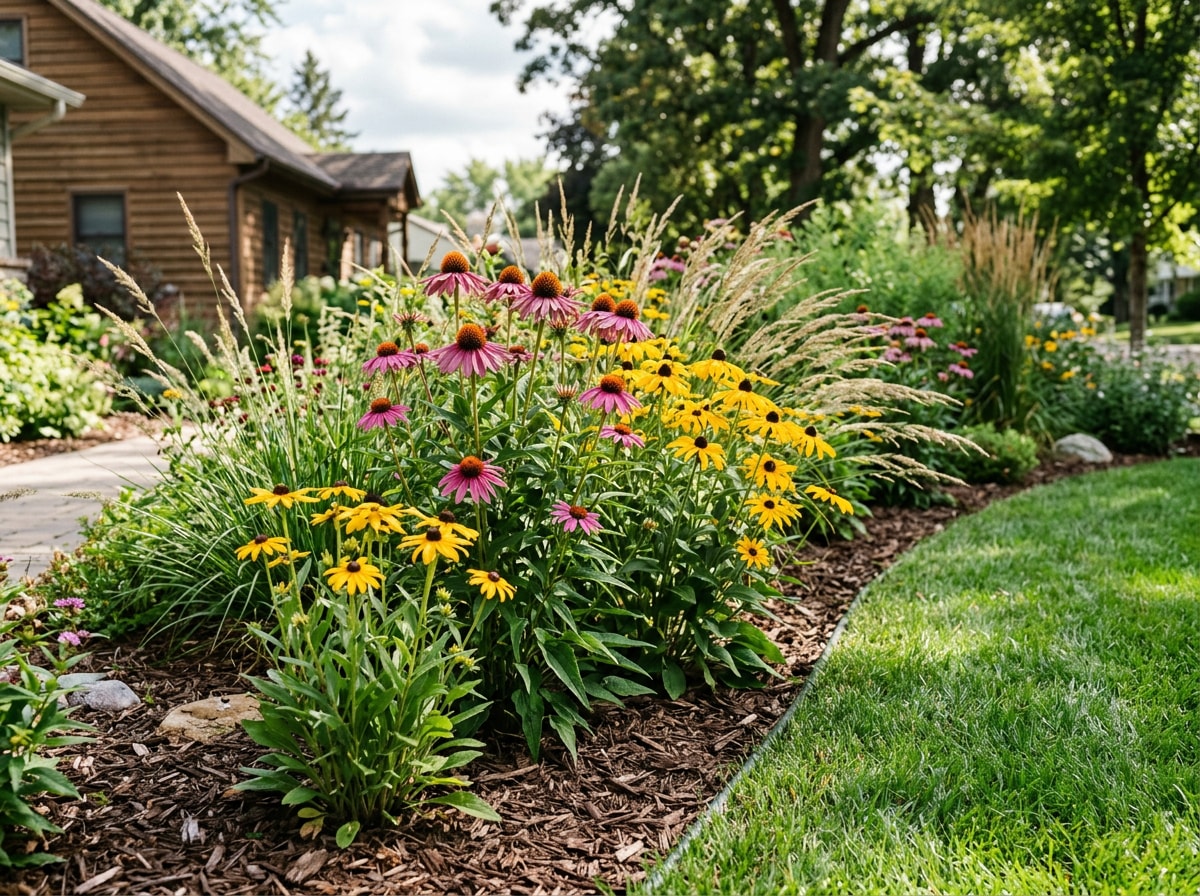
A native plant garden uses Minnesota-native species to create a lower-maintenance bed that needs little supplemental watering once roots establish. Native plants typically need little water beyond normal rainfall once they're established, which matters in a county where summer dry spells aren't rare, according to the EPA's outdoor watering guidance.
Best Plants & Trees for Washington County Front Yards
These hold up well across both the 4b and 5a pockets of the county:
- Perennials & grasses: feather reed grass, coneflower, black-eyed Susan, hosta
- Shrubs: spirea, knockout rose, dwarf viburnum
- Trees: serviceberry, flowering crabapple, and Japanese maple in protected, south-facing spots
If you're not sure which hardiness zone your specific lot falls into, that's worth confirming before ordering plants wholesale for a bed — it's a five-minute check against the map above, and it saves you from replacing dead shrubs next spring. Our perennial plantings service is built around exactly this kind of zone-matched plant selection.
Common Front Garden Projects
Most requests fall into two buckets: building something new and keeping an existing garden sharp.
Design & installation typically includes:
- A site walk to check sun exposure, drainage, and sightlines from the street
- Bed layout and plant selection matched to your zone
- Installation of plants, shrubs, and small trees
- Edging to define the bed and keep mulch in place
Ongoing maintenance typically includes:
- Mowing, edging, and pruning through the growing season
- Bed weeding and mulch refreshing
- Spring and fall cleanup
Skipping the maintenance side is usually what turns a sharp front yard into an overgrown one within a year or two. Our landscape maintenance program covers the recurring work, while a full landscape renovation and rejuvenation resets a bed that's gotten away from a homeowner. You can browse examples of both in our completed projects.
If your front lawn is more bare dirt than grass at this point, a full reset might make more sense than patching it bed by bed. Our guide on how to plant sod step by step walks through what that process looks like before you commit to it.
What Front Garden Landscaping Costs in Washington County, MN
Cost depends on bed size, plant selection, and how much grading or edging work is involved. Treat the ranges below as a starting point, not a quote.
| Project Scope | What's Included | Typical Price Range |
|---|---|---|
| Small bed refresh | New mulch, a handful of perennials, light edging | Low hundreds to ~$1,500 |
| Full foundation bed | Design, soil prep, plants, shrubs, mulch | $2,000–$6,000 |
| Full front yard overhaul | Design, sod or seed, trees, edging, irrigation tie-in | $6,000 and up |
Labor, plant size at installation, and whether a slope needs grading all push a project toward the higher end. The only way to get a number that actually applies to your lot is a site visit. Get a free estimate and we'll walk the property with you before anything is scheduled.
Add-On Projects That Round Out Curb Appeal
Front garden work rarely happens in isolation. The projects homeowners most often pair with a new bed:
- Concrete edging to keep mulch and turf separated cleanly — see our concrete edging installation
- Retaining walls on sloped lots where erosion is washing out beds — see retaining wall installation
- Irrigation so new plantings survive their first two seasons without hand-watering — see irrigation system installation
- Sod or seed to replace a patchy lawn alongside the new beds
Start with our full landscaper services menu or the homepage to see how these pair with a front garden project, or jump straight to a contact request if you already know what your yard needs.
FAQ
What USDA growing zone is Washington County, MN in?
Washington County splits between Zone 4b and Zone 5a on the current USDA Plant Hardiness Zone Map. Check your specific address, since the zone can shift within a few miles.
What is the best front yard landscaping style for Minnesota?
There isn't one universal answer. Traditional foundation plantings suit older homes and need moderate upkeep; native plant gardens cost a bit more upfront but need less water and maintenance long-term; cottage gardens cost less to start but take more seasonal shaping.
What are the best plants for front yard landscaping in Washington County?
Feather reed grass, coneflower, black-eyed Susan, spirea, and hosta all perform reliably across the county's growing zones with relatively low upkeep once established.
How much does front garden landscaping cost in Washington County, MN?
Most projects run from a few hundred dollars for a small bed refresh up to $6,000 or more for a full foundation bed with design, plants, and mulch. Larger overhauls with sod, trees, and irrigation run higher. A free estimate is the only way to get a number specific to your yard.
When is the best time to plant a front garden in Minnesota?
Spring after the last frost and early fall are both solid windows. Fall planting often gives perennials and shrubs a head start on root development before winter.
Do front yard landscaping projects need a permit in Washington County?
Most planting and bed work doesn't require a permit. Larger retaining walls, grading that affects drainage, or work near a public right-of-way may need local approval, so it's worth checking with your city before a major regrade.