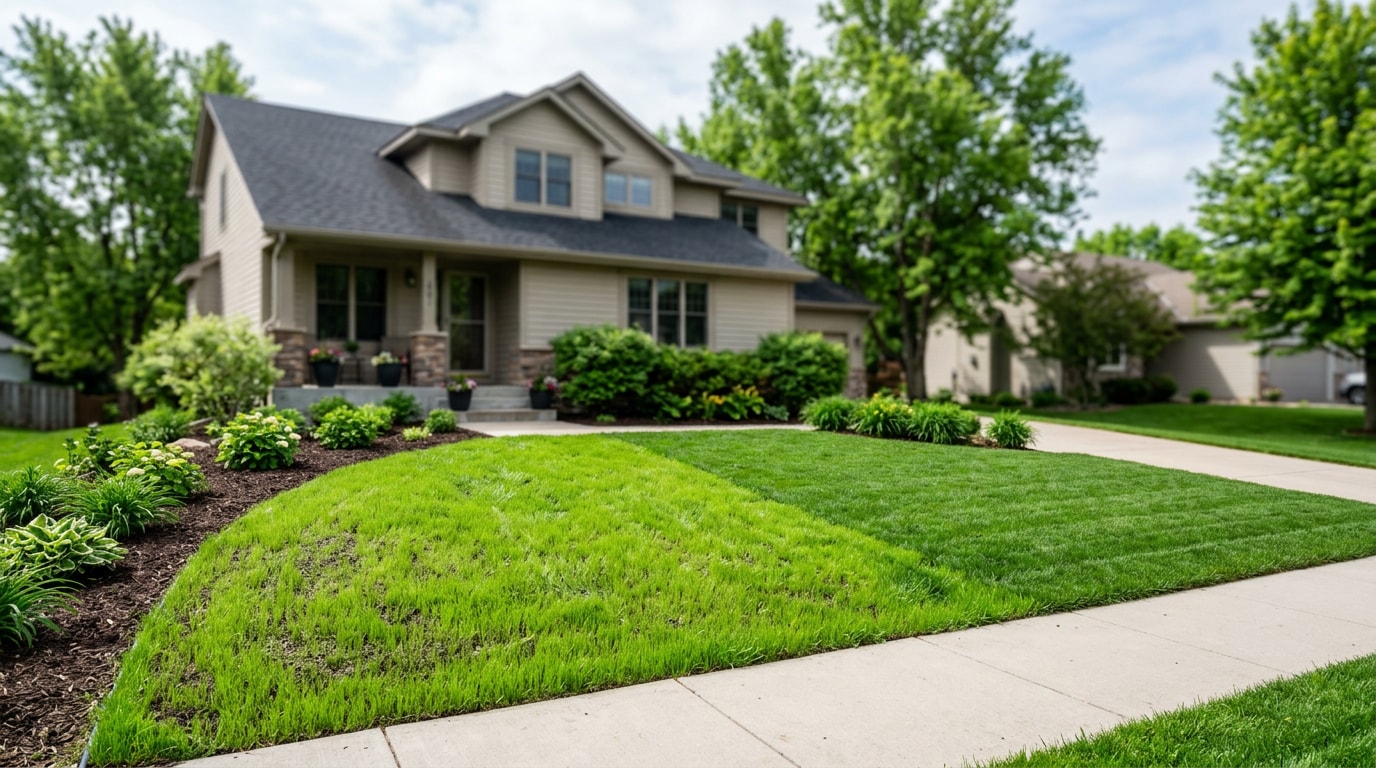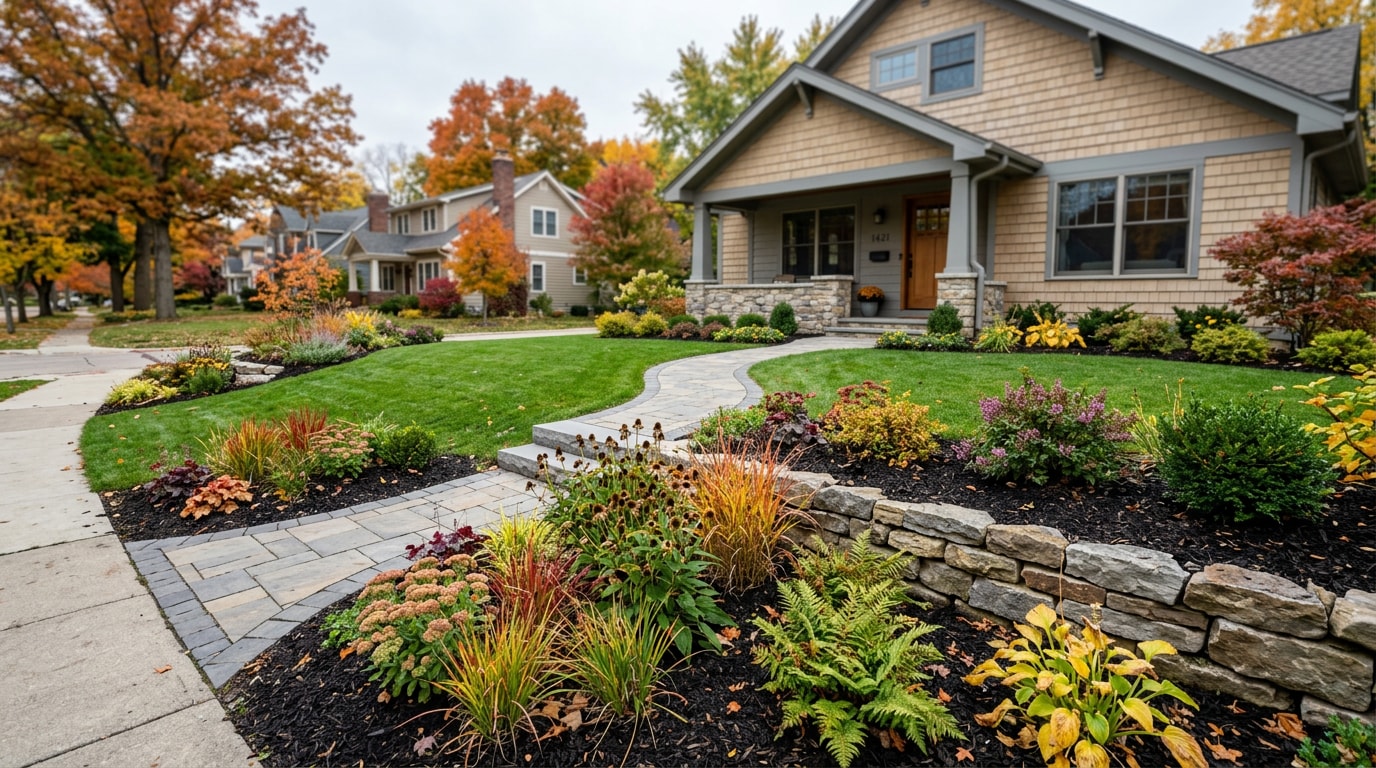
Learning how to keep grass out of flower beds in New Richmond, WI means dealing with one stubborn fact: Kentucky bluegrass, the most common lawn grass across the St. Croix Valley, spreads underground through rhizomes that laugh off a quick edging job. Beat it with the right combination of barrier, mulch, and seasonal upkeep, and the creeping stops for good. Here's every method that actually works, starting with the one that lasts longest.
Why Grass Keeps Invading Wisconsin Flower Beds
Most New Richmond lawns are seeded with Kentucky bluegrass or a bluegrass-fescue blend, both of which spread laterally through underground stems. Rhizomes move beneath the soil surface and send up new shoots wherever they find light and open ground, often popping up inches inside a bed line you thought was secure. Turfgrass researchers at Oregon State University note that when the supply of sugars from the leaves exceeds the demand for new leaf development and growth, certain grass species may develop a rhizome, a segmented, subterranean, modified stem arising from an adventitious bud in the crown zone . Kentucky bluegrass is particularly persistent because, as Penn State Extension turfgrass specialists explain, rhizomes are a desirable trait in turfgrasses because they allow plants to send new shoots into areas that are thin or damaged, and Kentucky bluegrass is the premier sod grass in the northern U.S. because its rhizomes allow turf to knit and hold together . That same trait is exactly why it keeps reappearing in your perennial border every June.
Install Landscape Edging (Root Barrier Edging)
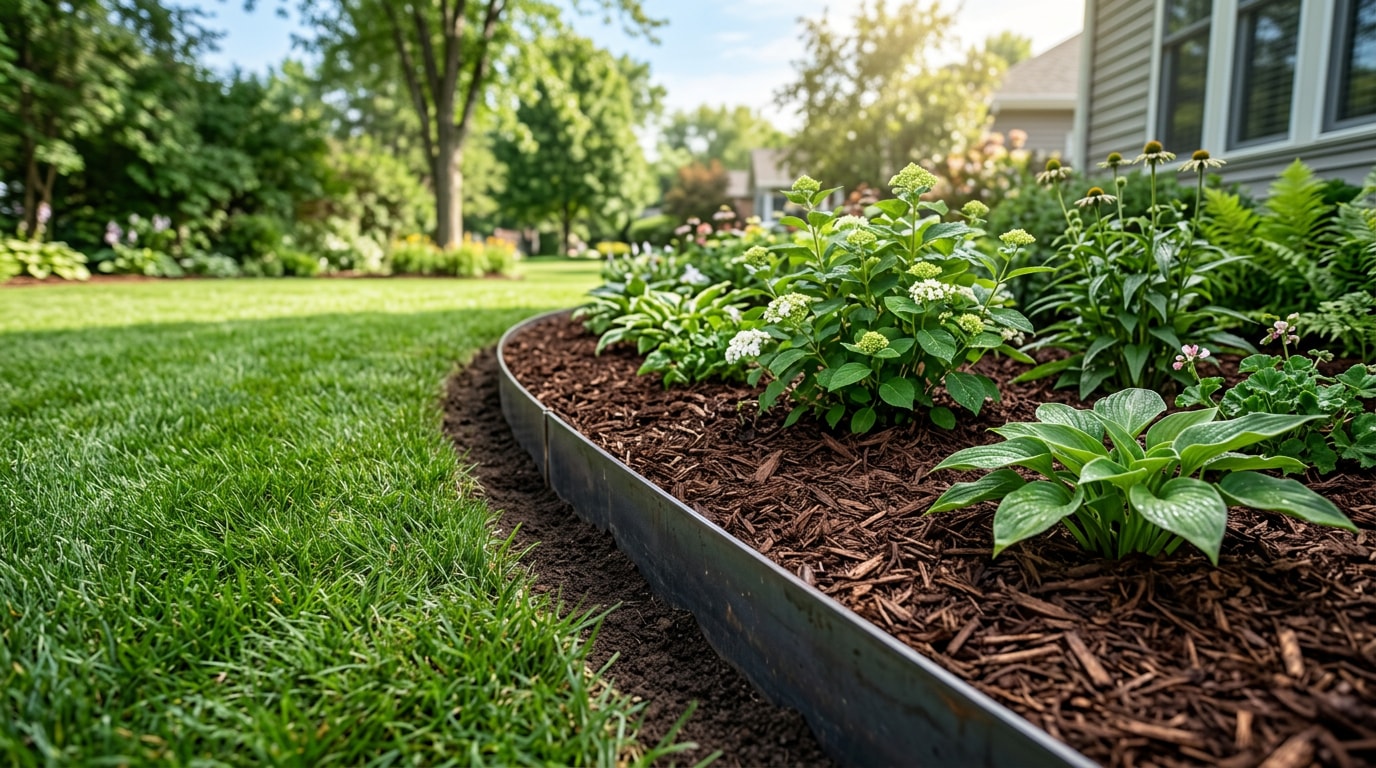
Landscape edging physically blocks the underground runners before they reach your plants. Without a barrier, rhizomes travel sideways beneath the surface and emerge well inside the bed.
Most edging needs to sit 4 to 6 inches deep and rise 1 to 2 inches above the soil line to stop both rhizomes and surface runners. Depth matters more than material. Shallow edging lets rhizomes slip underneath no matter how attractive the top edge looks.
| Material | Material Cost per Linear Foot | Expected Lifespan | DIY Difficulty | Best Use Case |
|---|---|---|---|---|
| Plastic | $0.50–$3 | 5–10 years | Easy | Budget-friendly, temporary beds |
| Steel | $2–$6 | 20+ years | Moderate | Long, curved flower bed borders |
| Aluminum | $3–$6 | 15–20 years | Moderate | Clean, modern bed lines |
| Wood | $2–$8 | 5–8 years | Easy | Cottage-style or raised beds |
| Brick/Stone | $2–$10 | 25+ years | Hard | Permanent, high-visibility borders |
Prices above are for materials only; professional installation adds labor on top, especially on curved or rocky Polk County soil. Once installed, edging still needs occasional attention. Trim grass that creeps along the top edge every few weeks so it doesn't bridge over the barrier.
For help choosing a material suited to your yard's soil and slope, our concrete and steel edging installation team handles layout and depth so the barrier actually holds up through a Wisconsin freeze-thaw cycle.
Lay Down Landscape Fabric
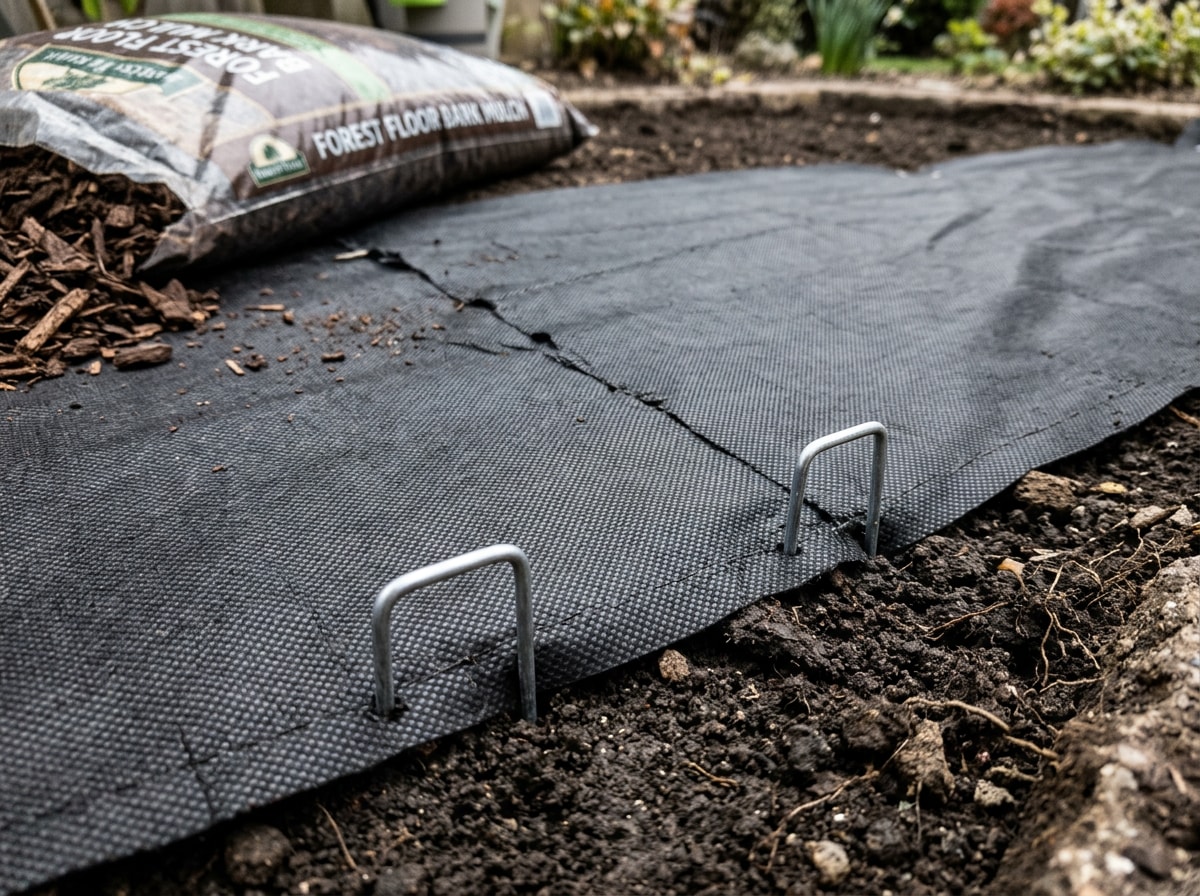
Landscape fabric blocks sunlight before grass seeds or runners can germinate below the surface. Commercial-grade fabric tends to hold up longer under mulch and foot traffic than the thin rolls sold at big-box stores.
Here's the process:
- Clear existing grass and debris from the bed first.
- Roll the fabric flat and pin it down with landscape staples.
- Overlap seams by at least a foot so grass can't find a gap.
- Cut small X-shaped slits wherever you're planting.
One trade-off worth knowing: fabric can restrict earthworm movement, which plays a role in healthy soil structure. It's still a solid option for many beds. Just weigh it against your long-term soil goals before committing to it under an entire perennial border.
Dig a Garden Trench
A garden trench is the lowest-cost barrier option since it only requires a shovel. Dig a V-shaped trench roughly 4 to 6 inches deep along the bed's perimeter, angling the soil so it slopes away from the cut. This creates a moat edge that grass roots struggle to cross.
Trenching works with any landscape style and costs nothing beyond labor, which is why it's a favorite quick fix for cottage gardens and naturalized plantings. The catch is maintenance. Trenches aren't permanent like edging, so they need to be redug a few times each growing season as soil settles and grass encroaches again.
Mulch Flower Beds
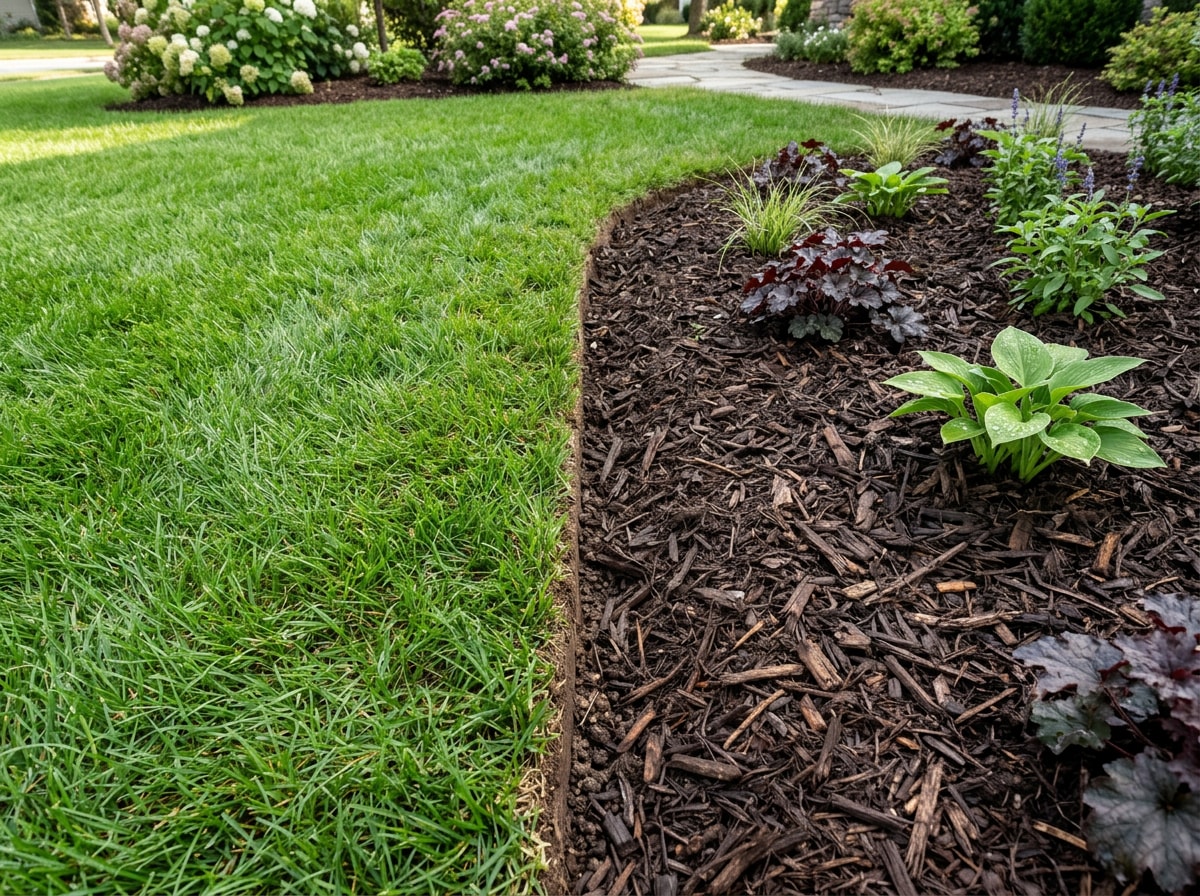
A 2- to 4-inch layer of mulch blocks the sunlight young grass seedlings need, smothering them before they ever take hold. This depth works for most wood chip mulch and pine straw products sold in the Midwest.
Organic mulch options like wood chips, pine straw, or compost also add nutrition to the soil as they break down over a season or two. Most New Richmond homeowners refresh mulch once or twice a year, typically in spring and again mid-summer if it's thinned out.
For larger properties, our landscape maintenance service handles seasonal mulch refreshes so you're not spending a weekend behind a wheelbarrow every spring.
Use Ground Covers as a Living Mulch
Dense groundcover plants act as a living mulch, shading the soil and outcompeting grass for light, water, and nutrients. It's a lighter-touch alternative to re-mulching every year, though it takes a season or two to fill in completely.
For USDA Zone 4 conditions in western Wisconsin, low-maintenance border plants like creeping phlox, sedum, and wild ginger handle both sun and part-shade spots well. If you're planning a new bed layout, our perennial plantings crew can recommend groundcover combinations that match your bed's light and drainage.
Smother Grass With Cardboard or Newspaper
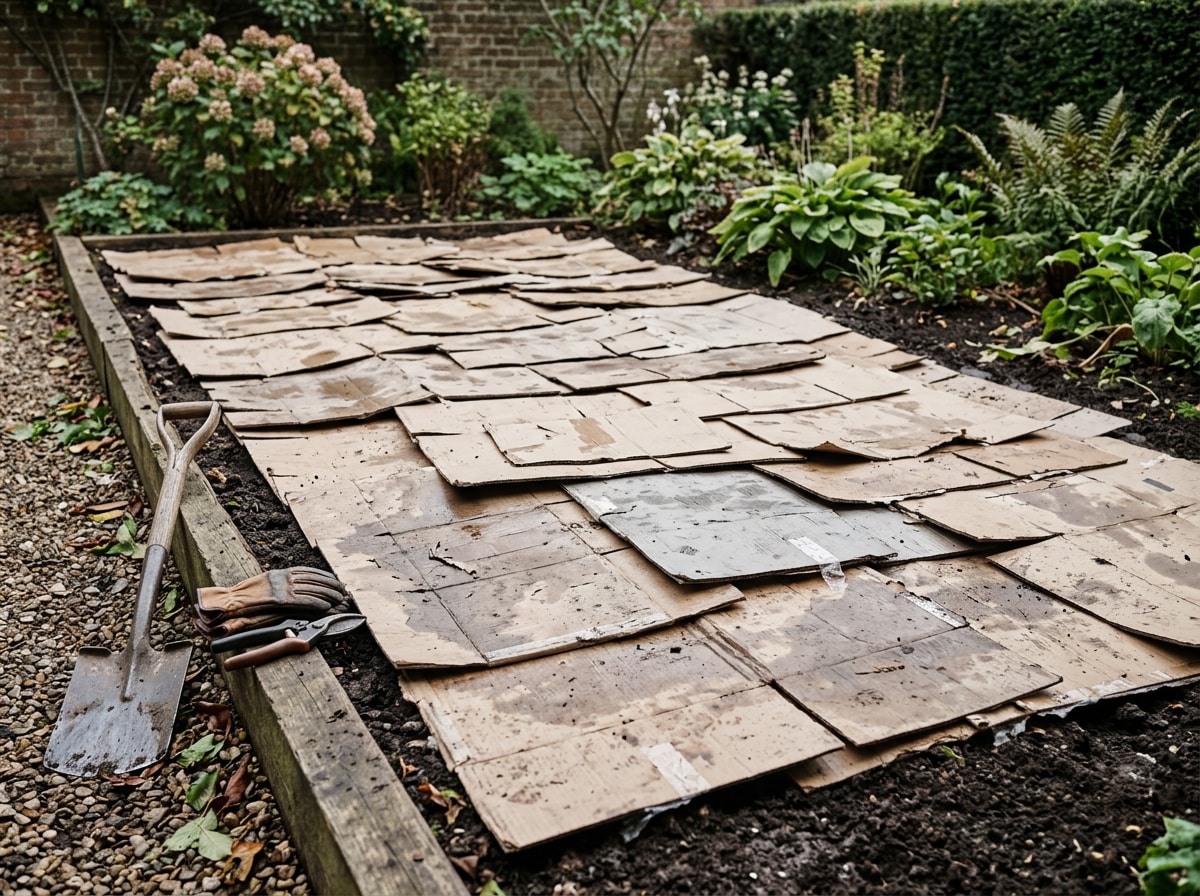
Smothering grass with cardboard or layered newspaper cuts off its sunlight entirely, a method sometimes called sheet composting. Wet the cardboard first, lay it flat with overlapping edges, then anchor it with a few inches of mulch or soil on top.
Give the layering process about eight weeks for the grass underneath to die back. As a bonus, the cardboard breaks down and improves soil structure over time. If you're smothering grass near existing plants, cut careful openings around their base stems rather than covering them completely.
Kill Young Grass With Sunshine (Solarization)
Solarization uses clear plastic sheeting stretched over bare soil to trap heat and kill grass and its root system. It's best suited to new beds being built from scratch rather than beds with established plants you want to keep.
The University of California IPM program explains that the method involves heating the soil by covering it with clear plastic for four to six weeks during a hot period of the year, and plastic tarps allow the sun's radiant energy to be trapped in soil, heating the top 12 to 18 inches to temperatures lethal to a wide range of soilborne pests, including weeds . New Richmond's shorter, cooler summers mean a solarization project may need the longer end of that window, or even a week or two more, to fully knock back established turf.
Remove Grass by Hand (Manual Removal)
Hand-pulling works best on small, young patches of grass that haven't developed a deep root system yet. Grasp the blades close to the soil and pull firmly but slowly, aiming to lift the full root rather than snapping off the top growth.
Watering the area the day before makes soil easier to work with and roots easier to release. A hand fork, forked weeding tool, or pointed trowel helps loosen stubborn clumps without disturbing nearby flowers. Any root fragments left behind can regrow, so treat this method as spot maintenance rather than a whole-bed solution.
Use Herbicides (Natural & Chemical Options)
Selective herbicides are formulated to target grass while leaving broadleaf flowers largely unaffected, which makes them practical inside mixed beds. Clemson University's Home & Garden Information Center notes that selective herbicides control only certain plants and are generally safer to use in the landscape without damaging desirable plants, while non-selective herbicides damage most plants and care should be taken to avoid accidentally applying them to or near desirable plants .
North Carolina State Extension adds a useful detail for bedding plants specifically: selective herbicides only kill specific plants, and the only selective herbicides recommended for use in bedding plants are the postemergence, grass control herbicides, which only kill grasses while broadleaves are unharmed . Timing matters, too. Young, actively growing grass responds to treatment faster than established, seeded turf. Always check product labels for grass-specific wording, and watch for overspray drifting onto nearby shrubs on windy days.
Maintain Your Beds Season After Season
Here's the part most guides skip: a barrier alone doesn't solve the problem if your bed design or mowing habits keep reintroducing grass. In our crews' experience servicing beds across Polk County and the St. Croix Valley, the beds that stay clean year after year share three habits.
- Mow with the discharge chute pointed away from beds so clippings and seed don't land in fresh mulch.
- Walk the perimeter every two to three weeks during peak growing season (late May through July in this climate) and snip any runners bridging the edging before they root.
- Re-trench or top off mulch in early spring, before grass breaks dormancy, rather than waiting until it's already visible in the bed.
If your beds have been fighting a losing battle for a few seasons, a full landscape renovation and rejuvenation resets the soil, edging, and plant spacing so prevention actually has a fighting chance. For a broader look at getting turf and planting areas to work together instead of competing, our guide to residential turf installation in Polk County covers how sod choice and bed layout interact from the start.
Homeowners across our New Richmond, WI service area run into this same bluegrass-vs-bed battle every spring, and it's one of the most common calls we get once mulch season wraps up.
Ready to stop refighting the same strip of grass every July? Get a free estimate and we'll walk your property, flag where rhizomes are likely to break through, and recommend the barrier that fits your beds and budget.
FAQ
How do you kill grass in flower beds without hurting flowers?
Hand-removal at the root works best for small patches. Mulch handles ongoing prevention. Solarization suits larger bare areas being rebuilt from scratch. Pick based on how established your existing plants already are, and favor the gentlest method that will actually finish the job.
Is there a spray that kills grass but not flowers?
Selective grass herbicides are designed for this exact purpose, and some gardeners use a diluted vinegar-and-dish-soap solution as a gentler alternative. Either way, spot-test first and avoid spraying directly onto flower foliage, especially on windy days when drift is more likely.
What is the best natural way to kill grass?
Solarization handles larger areas without chemicals. Manual root removal works well for small, scattered patches. Both take patience but avoid herbicide use entirely.
How often should I edge flower beds to keep grass out?
Check and redefine edging at least twice per growing season, with more frequent touch-ups during peak summer growth in June and July. If you'd rather hand this off, contact us for professional bed edging and seasonal maintenance in the New Richmond area.
How deep does edging need to be to stop grass roots?
Most rhizomes travel in the top 4 to 6 inches of soil, so edging needs to reach at least that deep to block them. Anything shallower lets runners slip underneath and resurface on the other side.
Does landscape fabric really stop grass long-term?
It blocks light effectively while intact, but seams that separate, mulch that thins out, or holes cut for new plants all create entry points over time. Pair it with edging for a barrier that holds up for years instead of one season.
Want to see how these methods look once installed on a real property? Browse our recent projects or visit the homepage to explore our full range of landscaping services.