Landscaping wood in Amery, WI almost always comes down to three choices: pressure-treated lumber, naturally rot-resistant species like cedar, or synthetic composite timber. Wisconsin's freeze-thaw winters make that choice matter more here than in milder climates, and the wrong pick shows up as a heaved wall or a rotted bed within a few seasons. Our crew at Sunrise Lawns & Landscaping has rebuilt enough frost-damaged timber walls around Amery to know the fix almost always traces back to a missing gravel base or wood rated for the wrong use.
This guide breaks down what landscaping wood actually is, the most common ways to use it, how long it lasts locally, and how to install it so it stays put for years.
Types of Landscaping Wood
Landscaping wood refers to large, dimensional lumber or synthetic timbers used to build retaining walls, raised beds, edging, and similar outdoor structures. It generally falls into three categories, each suited to a different budget and project: pressure-treated lumber, naturally rot-resistant untreated species, and synthetic composite timber.
Homeowners searching for landscaping wood in Amery, WI typically pick based on where the wood will sit and whether it's near edible plants. For retaining walls and structural work, browse our masonry contractor services to see how timber compares with stone and concrete for the same job.
Pressure-Treated Lumber
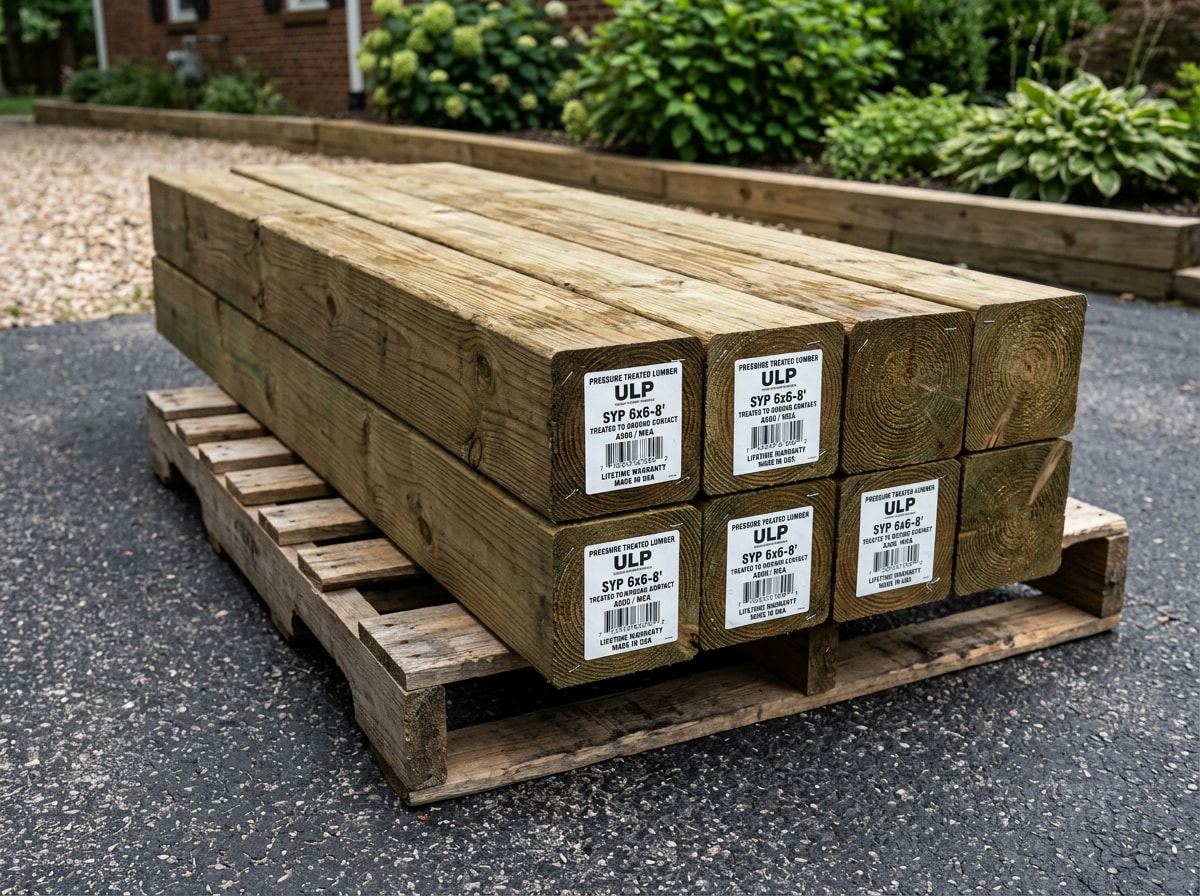
Pressure-treated landscape timber goes through a process that forces chemical preservatives into the wood fibers, protecting it from rot, fungus, and wood-boring insects far longer than untreated lumber manages on its own. Today's treated lumber almost always uses alkaline copper quaternary (ACQ) or copper azole (CA) as the active preservative.
That's a meaningful shift from decades past. Through the early 2000s, most treated lumber used chromated copper arsenate (CCA), a preservative containing inorganic arsenic. EPA negotiated a voluntary phase-out of CCA for most residential uses, including wood used in play-structures, decks, picnic tables, landscaping timbers, residential fencing, patios and walkways/boardwalks , pushing the industry toward the arsenic-free formulas sold today. The National Pesticide Information Center's consumer guidance on CCA-treated wood covers the full history if you want the details.
For walls, posts, and anything touching soil, modern pressure-treated landscape timber is considered safe and budget-friendly. For vegetable beds, many gardeners still pair it with a liner or choose untreated wood instead.
Untreated Natural Wood
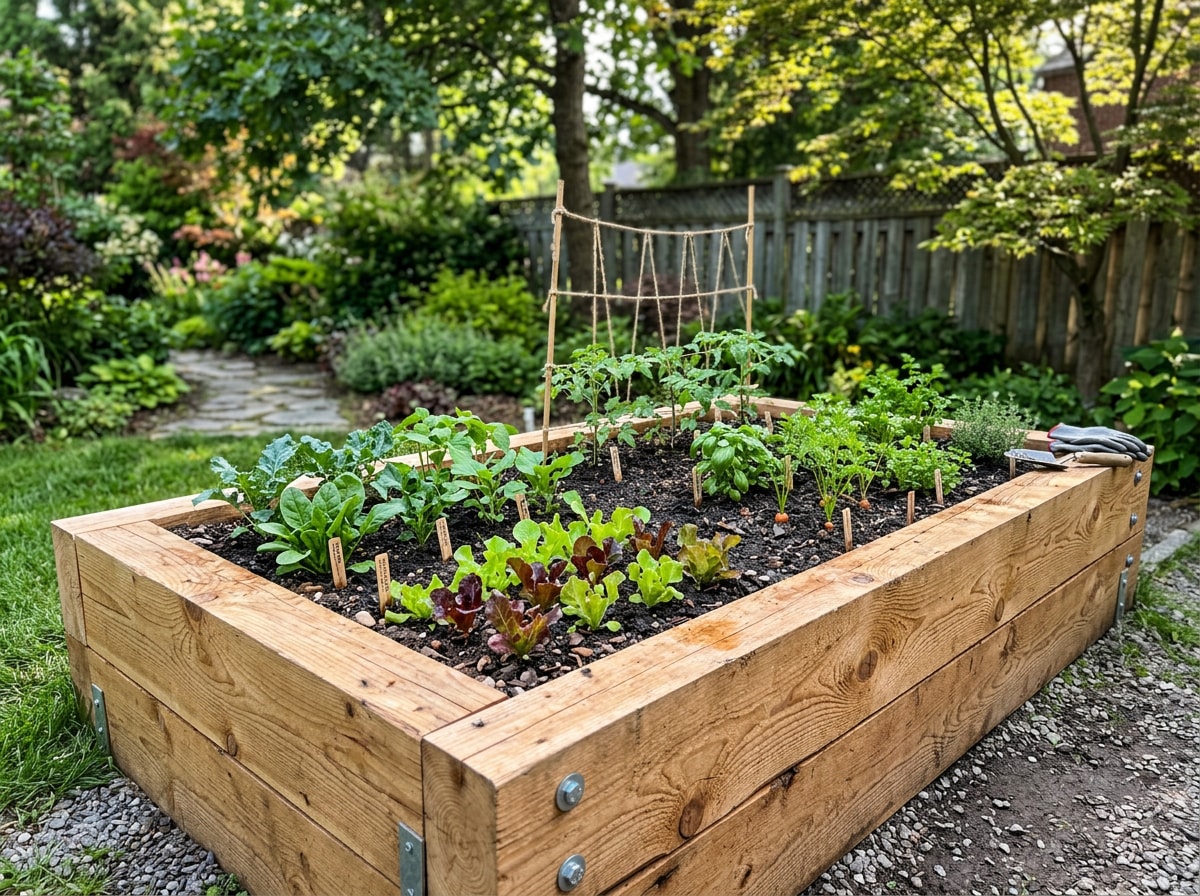
Cedar, redwood, and black locust contain natural oils and tannins that resist rot and insects without chemical treatment. Research from the USDA Forest Products Laboratory groups these species among the heartwood species according to decay resistance , placing cedar in the resistant-to-very-resistant category, well above untreated pine. That natural rot resistance makes untreated landscape timber a favorite for raised garden beds, since there's no concern about preservatives near food crops.
The catch is cost and lifespan. Cedar and redwood typically cost more per linear foot than pressure-treated pine, and without chemical protection, they break down faster when buried or kept wet. Most homeowners reserve untreated timber for above-ground projects, like raised beds and edging, rather than constant ground contact. If you're planning edible beds alongside ornamental plantings, our perennial plantings service can help tie the whole layout together.
Synthetic/Composite Timber
Composite timber, usually recycled plastic lumber blended with wood fiber, skips the rot-and-insect equation entirely. There's no organic material for fungus or termites to break down, so these timbers tend to outlast both treated and untreated wood.
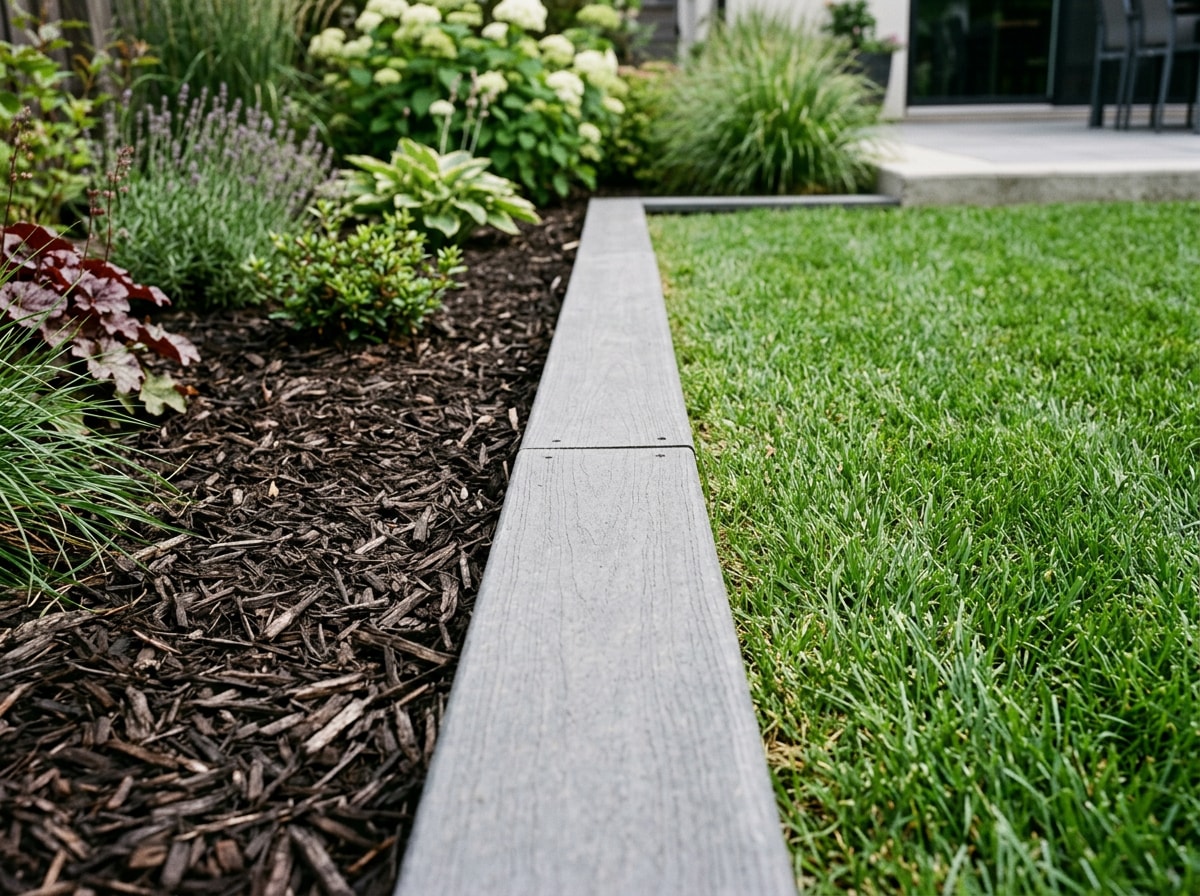
The trade-offs are upfront cost and installation technique. Synthetic landscape timber typically costs more per piece than pressure-treated pine, and because it doesn't flex or split like wood, manufacturers recommend pre-drilling before driving screws or spikes. For a permanent wall or high-traffic border where low maintenance matters more than price, composite timber earns its premium. For edging specifically, it's also worth comparing against concrete edging installation, which skips wood maintenance entirely.
Benefits of Landscaping Wood in Amery, WI
Wood remains one of the most popular landscaping materials because it hits a sweet spot stone and concrete can't match.
- Lower cost per linear foot than natural stone or poured concrete for most residential jobs.
- Easier DIY installation — cutting, stacking, and anchoring timbers takes basic tools and a weekend.
- Natural look that blends into garden settings and softens hard lines around patios.
- Simple repairs — a split or rotted timber is easier to swap than repairing mortared stone.
The trade-off is lifespan: even quality landscaping wood won't outlast concrete or stone, and it needs occasional inspection. For most residential projects, that affordable material still wins on value. If you're weighing wood against hardscape materials for a bigger renovation, our landscape renovation and rejuvenation team can walk through both options for your yard.
Best Uses for Landscaping Wood (Ideas & Projects)
Landscaping wood shows up in dozens of yard projects, but a handful of applications account for most of what Amery homeowners actually build.
Retaining Walls
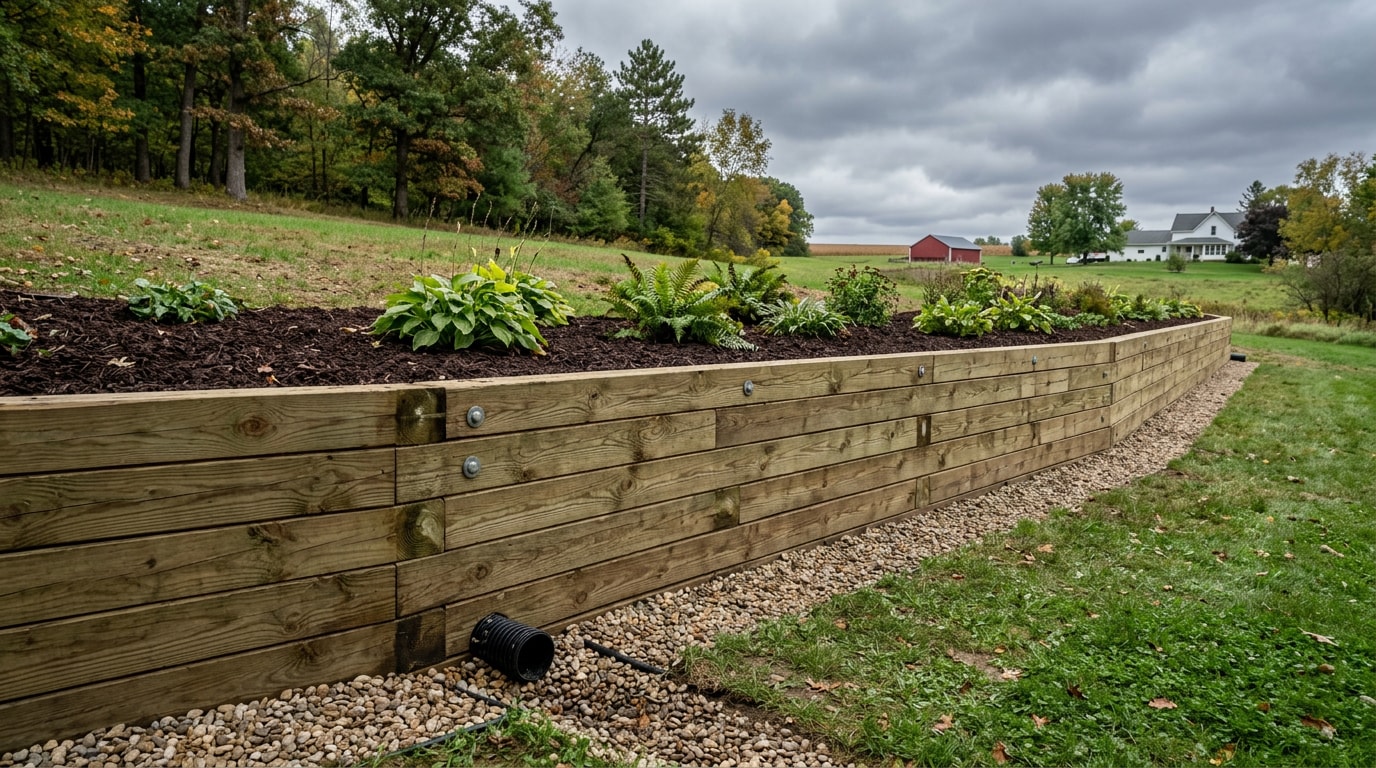
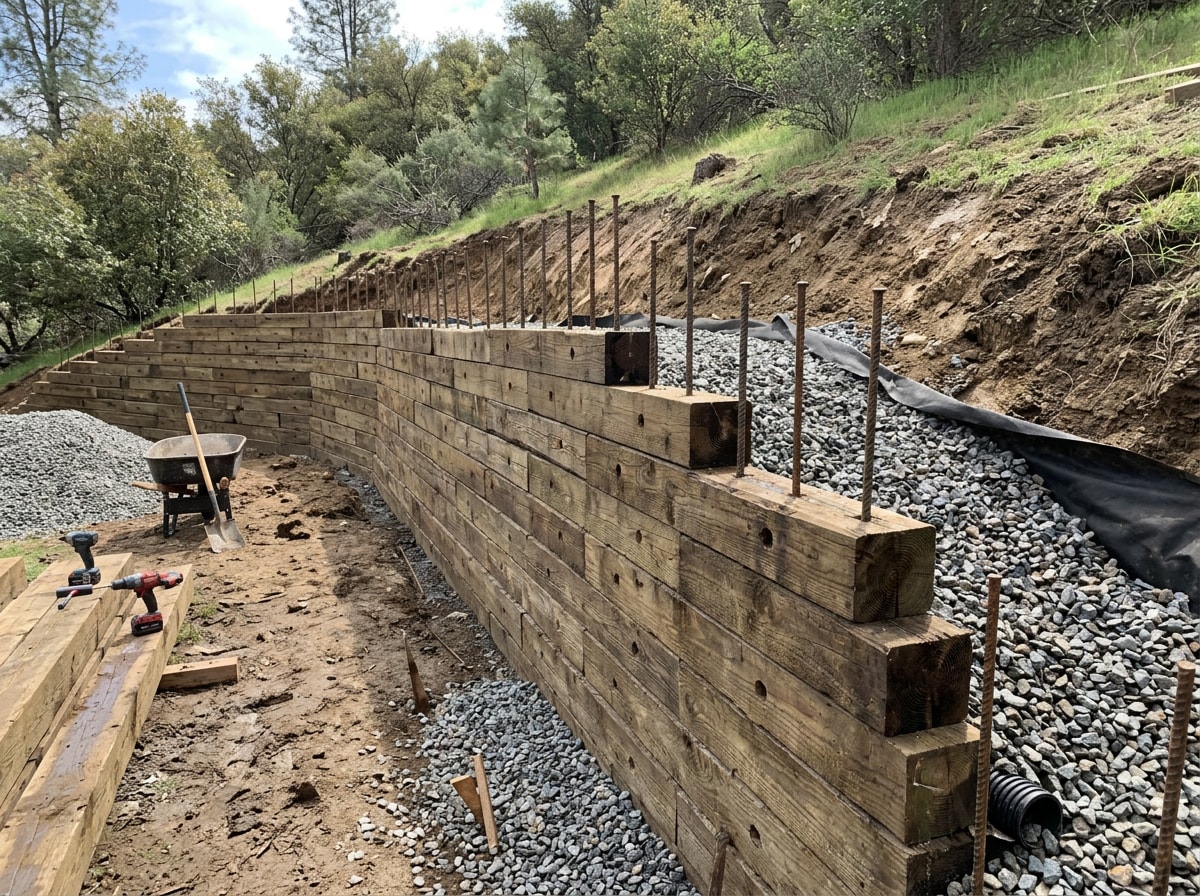
A timber retaining wall uses stacked, horizontal landscape timbers to hold back soil on a sloped yard, preventing erosion and creating usable flat space. Builders typically anchor each course with rebar driven through drilled holes or galvanized spikes, and taller walls use "deadman" timbers set perpendicular into the hillside for stability.
A wood retaining wall under about three feet is manageable as a DIY project; anything taller usually calls for professional installation. See our retaining wall installation page for sizing guidance before you dig.
Raised Garden Beds
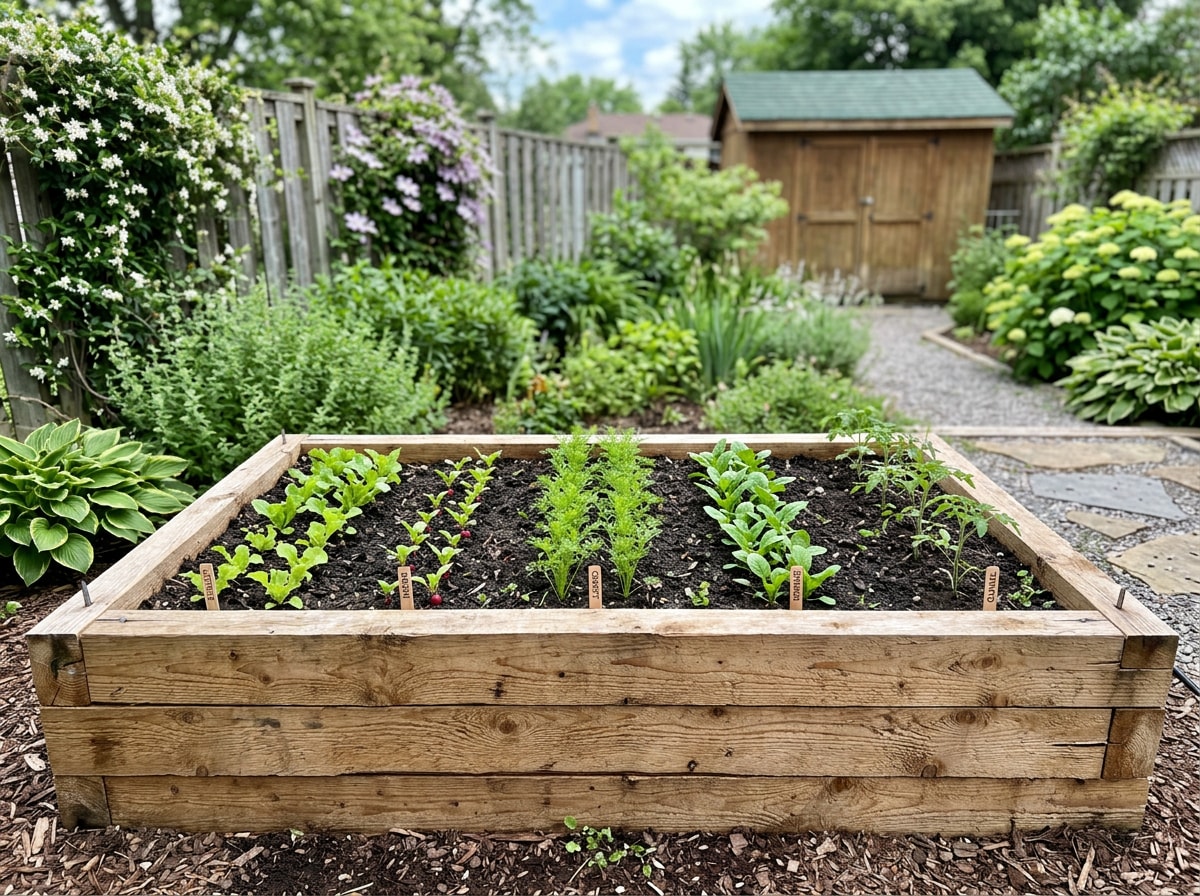
Raised garden bed timbers give vegetable and flower gardens defined, elevated growing space with better drainage and fewer weeds. Untreated cedar or redwood is the go-to for food crops, though modern ACQ-rated pressure-treated timber is also considered safe under current guidance.
A common tip: line the inside walls with landscape fabric before adding soil. It slows wood contact with wet soil, stretching the bed's life by a few extra seasons.
Garden Edging & Borders
Timber garden edging marks the line between lawn and flower bed without the upkeep of a soft edge. Straight runs work well along walkways, and timbers can also be cut into shorter sections to follow a curved bed line. This is often the cheapest landscaping wood project on this list, since it uses the shortest, least expensive cuts.
Steps & Stairs
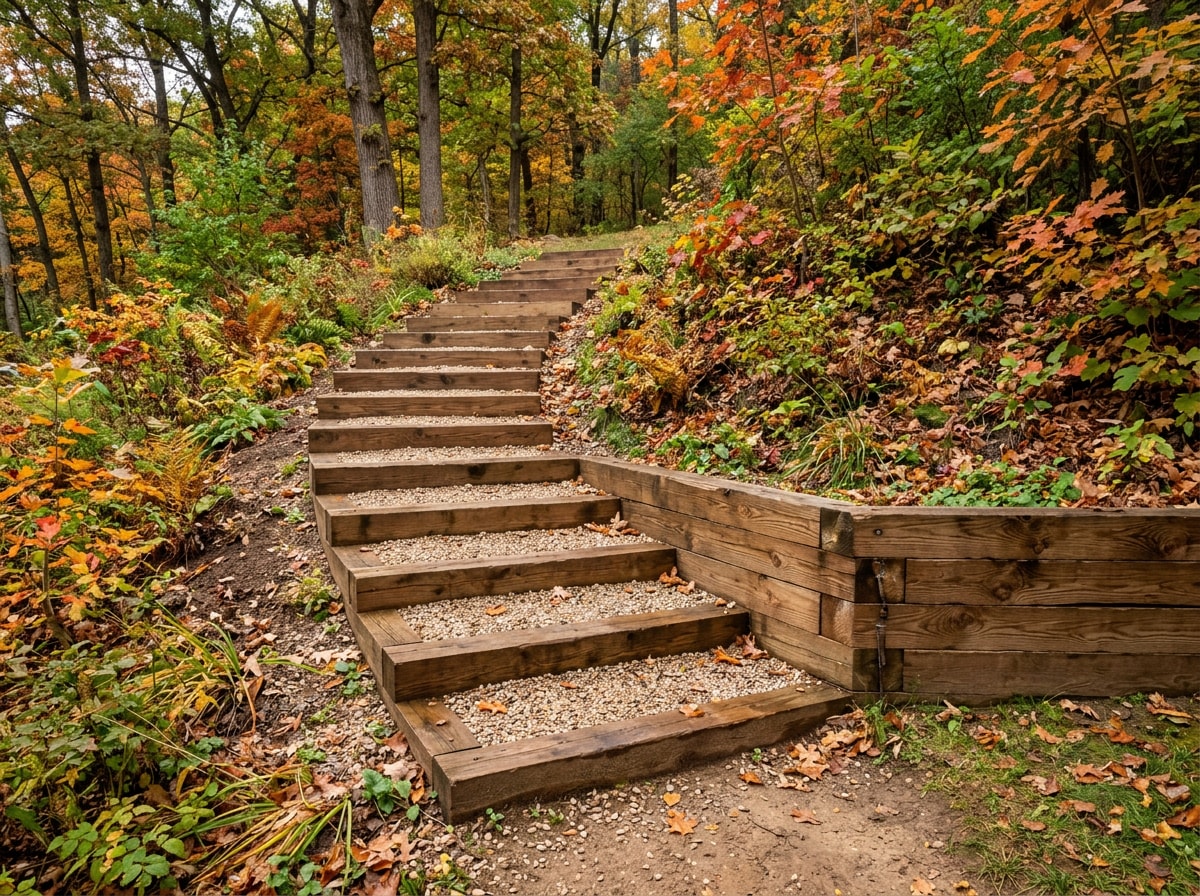
Landscape timber steps turn a steep, muddy slope into a safe, walkable grade change. Builders set each timber as a stair tread, backfill with gravel, and often pair the steps with a retaining wall on either side. Wood garden stairs are especially practical on the rolling, glacier-carved terrain common around Amery, where even modest slopes get slippery after rain or snowmelt.
Pergolas, Fences, and Garden Walls
A timber pergola uses thick landscape timbers as posts and crossbeams instead of standard dimensional lumber, giving the structure a chunkier look that holds up against wind. A timber fence built from stacked or vertically-set timbers creates a solid privacy screen that's harder to see through than standard picket fencing. And a low timber garden wall can double as a planting surface, with pockets between courses holding soil for trailing plants.
Outdoor Furniture
Landscape timber projects extend well past walls and beds. Timber furniture, like benches, tables, and plant stands, uses the same thick stock for a rustic look that holds up outdoors better than thin dimensional lumber. These show up less often than walls or beds, but they're worth considering if you have leftover timber from a bigger job.
Choosing the Right Landscaping Wood: Cost & Project Fit
Price and maintenance move together, but not always how homeowners expect.
| Material | Relative Cost | Best For | Watch Out For |
|---|---|---|---|
| Pressure-treated pine | $ | Retaining walls, posts, edging | Not ideal touching edible soil without a liner |
| Cedar/redwood | $$ | Raised beds, above-ground borders | Shorter lifespan when buried or kept wet |
| Composite/recycled plastic | $$$ | Permanent walls, high-traffic borders | Higher upfront cost, requires pre-drilling |
Pressure-treated pine is generally the cheapest landscape timber option and holds up well in ground contact when it's rated for the job. Cedar and redwood cost noticeably more upfront but offer natural decay resistance without chemicals, which matters most for food-crop beds. Composite timber sits at the top of the cost range but needs the least long-term maintenance and carries no rot risk.
For a low garden border, pressure-treated pine usually makes sense. For an edible raised bed, cedar earns its higher price. For a permanent structure you don't want to rebuild in a decade, composite timber's cost premium pays for itself over time. Not sure which fits your project? Request a free estimate and we'll help you compare options for your yard.
How Long Does Landscaping Wood Last? (Lifespan & Safety)
How long landscape timbers last depends heavily on local conditions, not just the material. Landscaping wood installed in Amery faces a few regional variables that national averages don't capture.
Repeated freeze-thaw cycling through winter and spring can heave timbers out of alignment, especially in walls or steps that weren't anchored deeply enough. This isn't a minor detail in Wisconsin: state building code sets a statewide frost penetration level or at least 48 inches below adjacent grade, whichever is deeper , for footings and foundations. Buried landscape timbers aren't held to that same code, but the same frost mechanics apply, which is why shallow, unanchored walls are the ones we get called out to fix most often each spring.
Heavy spring soil moisture also speeds up rot in any poorly drained section of wood, and that moisture connection matters for insects too. Penn State Extension notes that carpenter ants seldom tunnel into dry, sound wood, but they may excavate moist, rotting wood and other soft materials to build satellite nests, which is a good reason to lean toward ground-contact-rated or synthetic timber for anything permanently buried or poorly drained.
On treated wood safety, current ACQ and copper azole formulas are considered low-risk for general landscaping use, though some gardeners still prefer untreated or synthetic options for edible beds as a precaution rather than a documented risk. That's a reasonable, low-cost choice even if the underlying safety data is reassuring. For whole-yard upkeep once your timber features are in place, our Turf Care Amery, WI guide covers the lawn side of the equation.
How to Install Landscaping Wood Correctly
Good installation matters as much as material choice.
- Excavate and drain. Dig a trench slightly wider than the timber and line it with a few inches of compacted gravel. This drains water away from the wood instead of trapping it.
- Match the rating to the job. Use ground-contact-rated timber for anything buried or touching soil directly. The American Wood Protection Association's use-category system defines which preservative retention levels qualify lumber for ground-contact versus above-ground use, and mismatching the two shortens lifespan significantly.
- Anchor every course. Drive rebar through pre-drilled holes or long landscape spikes, staggering joints between rows like brickwork.
- Seal cut ends. Factory treatment doesn't penetrate fresh cuts, so seal them with a compatible preservative before backfilling.
- Add drainage gaps. For a retaining wall specifically, leave small gaps every few feet to relieve water pressure behind the wall.
Local frost depth also affects how deep footings and buried timbers need to sit, which is one reason a short retaining wall that works fine in a milder climate can fail here within a few winters. If you'd rather hand the project to a crew familiar with Polk County soil and frost conditions, check our service area near Amery or browse recent projects to see completed timber and masonry work.
FAQ
What are landscaping timbers?
Landscaping timbers are large, thick pieces of wood, typically 3x5 or 4x4 inches and up to 8 feet long, used to build retaining walls, raised beds, edging, steps, and other structural or decorative features in a yard. They differ from standard dimensional lumber mainly in thickness and their rough, ground-contact-rated finish.
What is the most popular type of wood for landscape timbers?
Pressure-treated southern yellow pine is the most popular landscaping wood nationally, thanks to its low cost and wide availability. Redwood, cypress, and cedar follow as the top choices for homeowners who want natural rot resistance without chemical treatment, especially near edible plants.
Can railroad ties be used in place of landscape timbers?
Technically yes, but it's less common today. Older railroad ties were treated with creosote, a preservative now restricted for residential use over health concerns, especially near edible plants. Modern milled landscape timbers or synthetic alternatives offer similar strength and a cleaner look without the creosote question.
Are landscape timbers safe for vegetable garden beds?
Yes, with a caveat. Modern ACQ and copper azole pressure-treated timber is considered safe for food-crop use under current guidance, but many gardeners still prefer untreated cedar, redwood, or synthetic composite timber for extra peace of mind, as covered in the types section above. Either approach is reasonable for a vegetable bed.
How deep should landscape timbers be buried in Amery, WI?
There's no single code number for buried landscape timbers the way there is for building footings, but the same frost-heave logic applies. Wisconsin's statewide building code requires footings to sit below the frost line or at least 48 inches deep, whichever is deeper. For timber walls and steps, that means a compacted gravel base, timbers set at least a few inches into undisturbed soil, and anchoring deep enough that frost movement can't walk the wall out of alignment over a few winters.
How much does landscaping wood cost compared to stone or concrete?
Landscaping wood is generally the lowest-cost material for retaining walls, edging, and raised beds, with pressure-treated pine cheaper than cedar, and cedar cheaper than composite timber. Stone and poured concrete cost more upfront but last longer with less maintenance. For a quick comparison tailored to your project, get a free estimate and we'll price out wood alongside masonry alternatives.