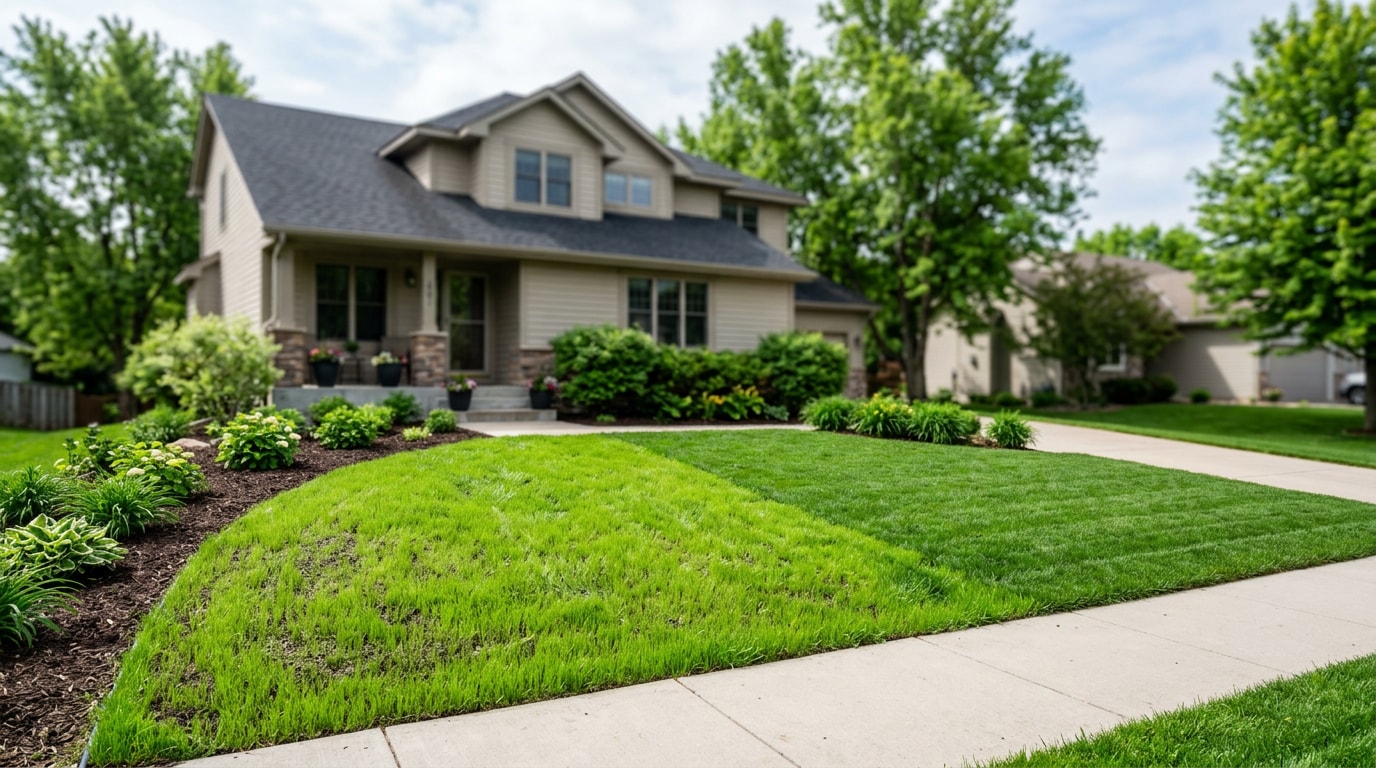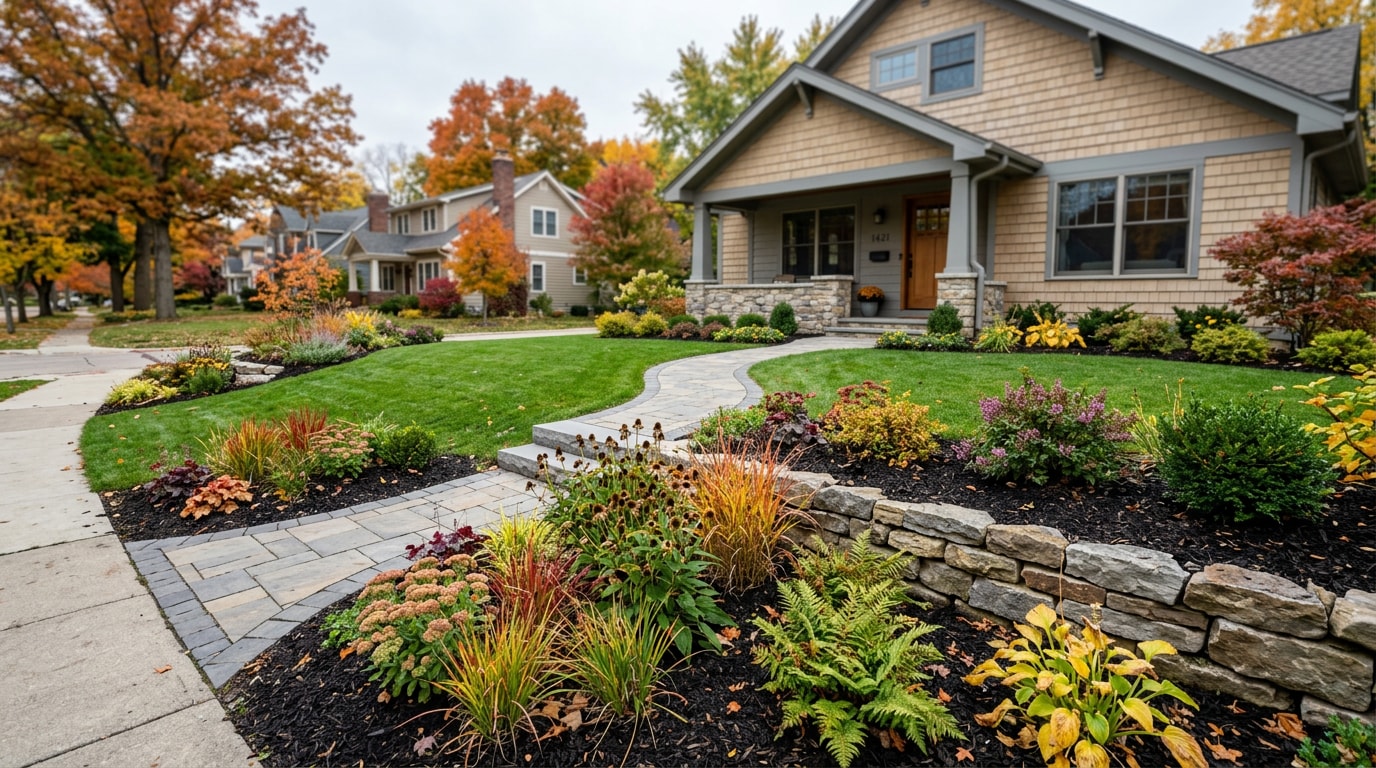
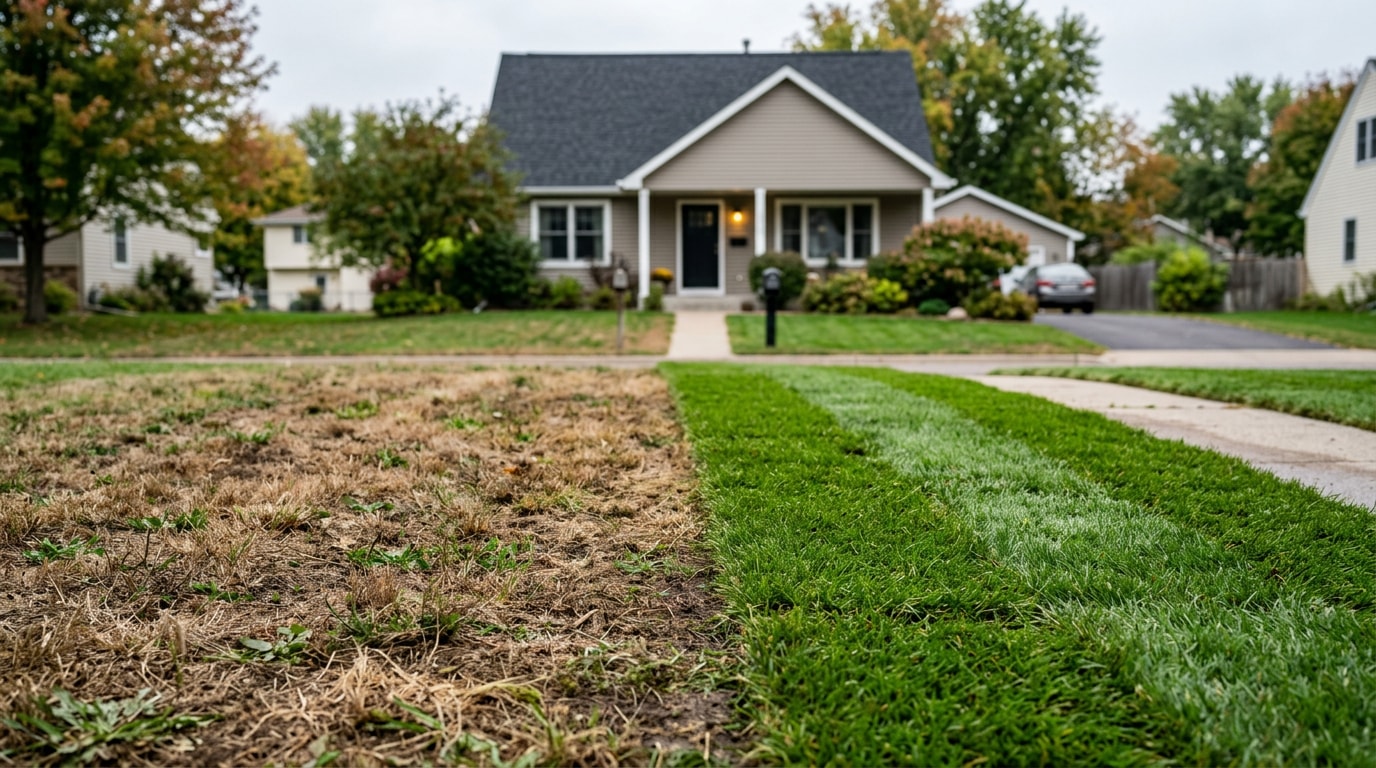
Lawn repair in Lindstrom, MN rarely means tossing down grass seed and hoping for the best. Between the sandy soil near Lindstrom Lake and the heavy clay pockets a few streets inland, the same bare patch can need two completely different fixes. We've regraded yards where homeowners had reseeded the exact same spot three summers running before anyone checked what the soil underneath was actually doing.
Signs You May Need Lawn Repair, Not Just Lawn Care
Some damage responds to mowing and watering. Some doesn't. Here's how to tell the difference:
- Bare or thin patches that don't fill in after a full growing season
- Grass that stays brown well after winter, drought, or a pest outbreak
- Soil that feels hard or compacted underfoot
- A spongy, soft feel when you walk across the lawn (often a thatch problem)
- Uneven growth patterns, with some areas thriving and others stalled
If you're seeing two or more of these, routine mowing and watering won't reverse it on their own. Compacted soil and thinning turf need targeted treatment, not patience.
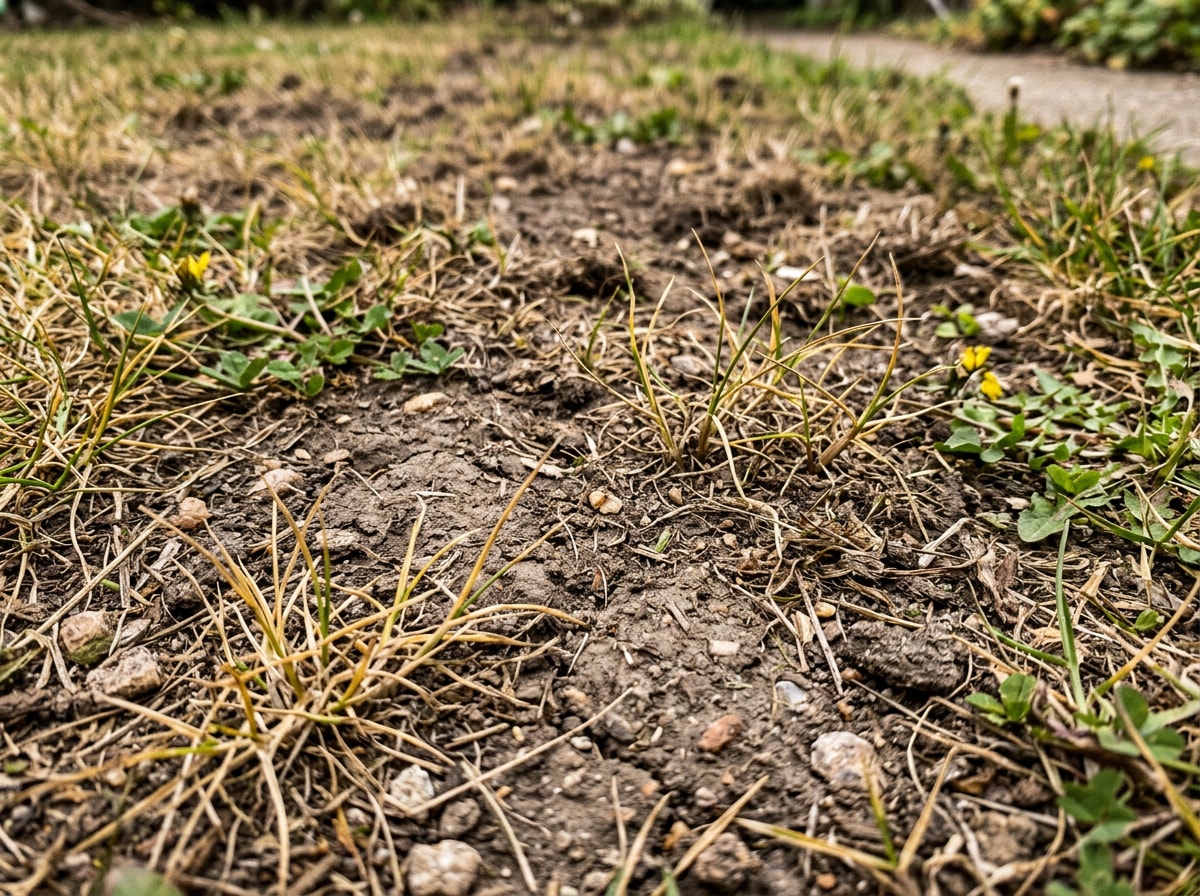
Common Lawn Problems We See Around Lindstrom
Beyond bare patches, Chisago County properties run into a predictable set of issues: weed infestations that outcompete thin turf, standing water after heavy rain, uneven grading near the foundation, and sprinkler lines cracked by freeze-thaw cycles.
Soil type drives a lot of this. Lakeside lots tend to run sandy and drain almost too fast, washing nutrients away before grass can use them. Lots a mile inland often sit on heavy clay that compacts hard and holds water for days. The same seed blend or fertilizer schedule won't work well in both. If you've already renovated a lawn elsewhere in the region and want to see the process start to finish, our Lawn Renovation in Osceola, WI guide walks through it step by step. Homeowners in the Lindstrom, MN service area deal with both soil types block to block, which is why a one-size plan rarely holds up.
What's Included in Lawn Repair
Lawn repair isn't one treatment. It's a set of techniques matched to the specific damage.
Aeration and Overseeding
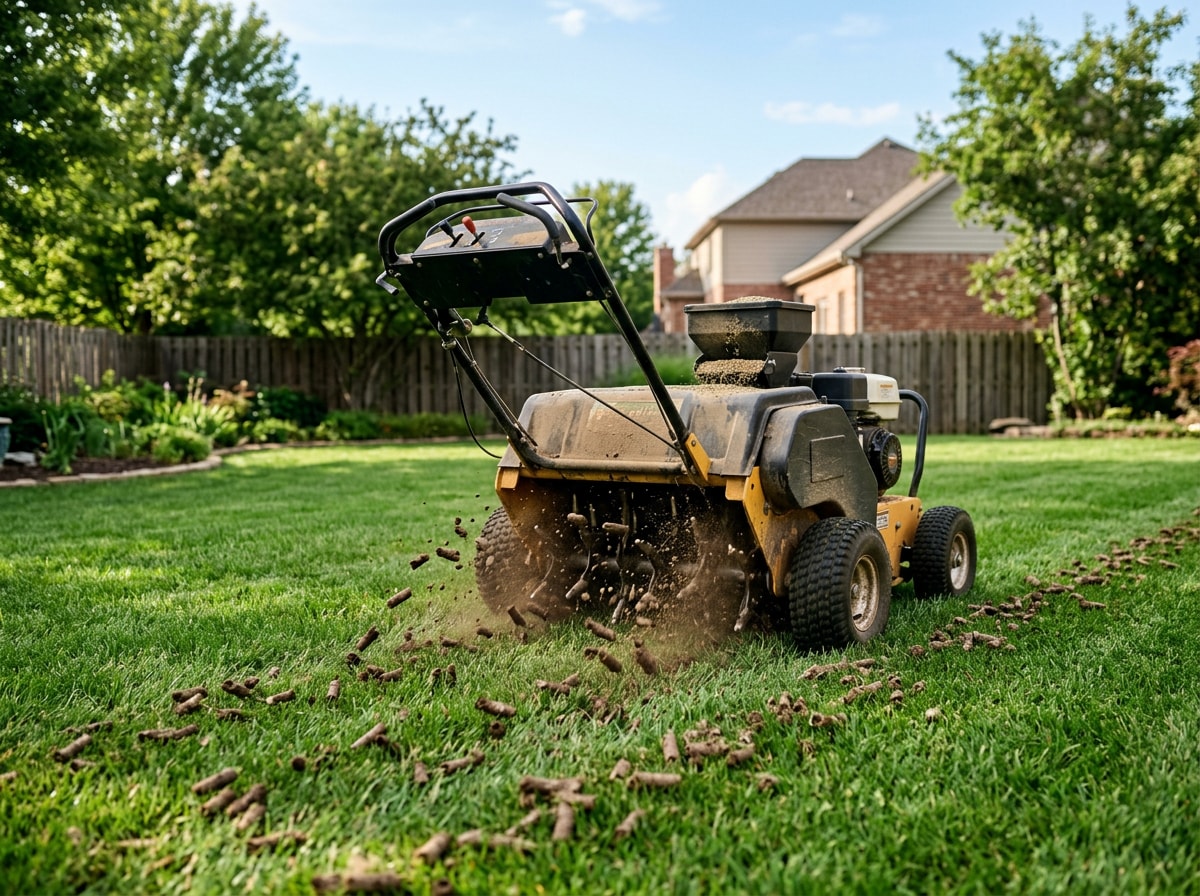
Core aeration pulls small plugs of soil out of the lawn, relieving compaction so air, water, and nutrients can reach the roots again. Overseeding follows right behind it, filling bare patches with fresh seed while the holes are still open. In our experience working the heavier clay lots around Chisago County, those lawns usually need two aeration passes in one visit, not one, to actually loosen the soil enough for seed to take.
New Sod Installation
When dead or bare areas are too large for seed to catch up quickly, sod installation gives you a finished lawn in a day instead of weeks. It's also the better call ahead of a home sale, an outdoor event, or anywhere erosion risk makes waiting too expensive.
Landscape Repair and Grading
Uneven ground is usually the real cause of the drainage problems mentioned above. Grading and resloping redirect water flow, and in some cases a low retaining wall is the more permanent fix for a slope that keeps washing out. Our Landscape Renovation and Rejuvenation service handles the regrading side, while Retaining Wall Installation addresses steeper slopes that keep eroding year after year.
| Repair Method | Best For | Typical Timeline |
|---|---|---|
| Aeration + Overseeding | Thinning turf, compacted soil, small bare patches | 4-6 weeks to visible fill-in |
| Sod Installation | Large dead zones, erosion-prone slopes, tight deadlines | Usable lawn within days |
| Grading / Drainage Correction | Standing water, foundation-side pooling, repeat bare spots | Addressed before seed or sod goes down |
Soil Testing: The Step Most Lawn Repairs Skip
Surface repairs only hold if the soil underneath can support them.
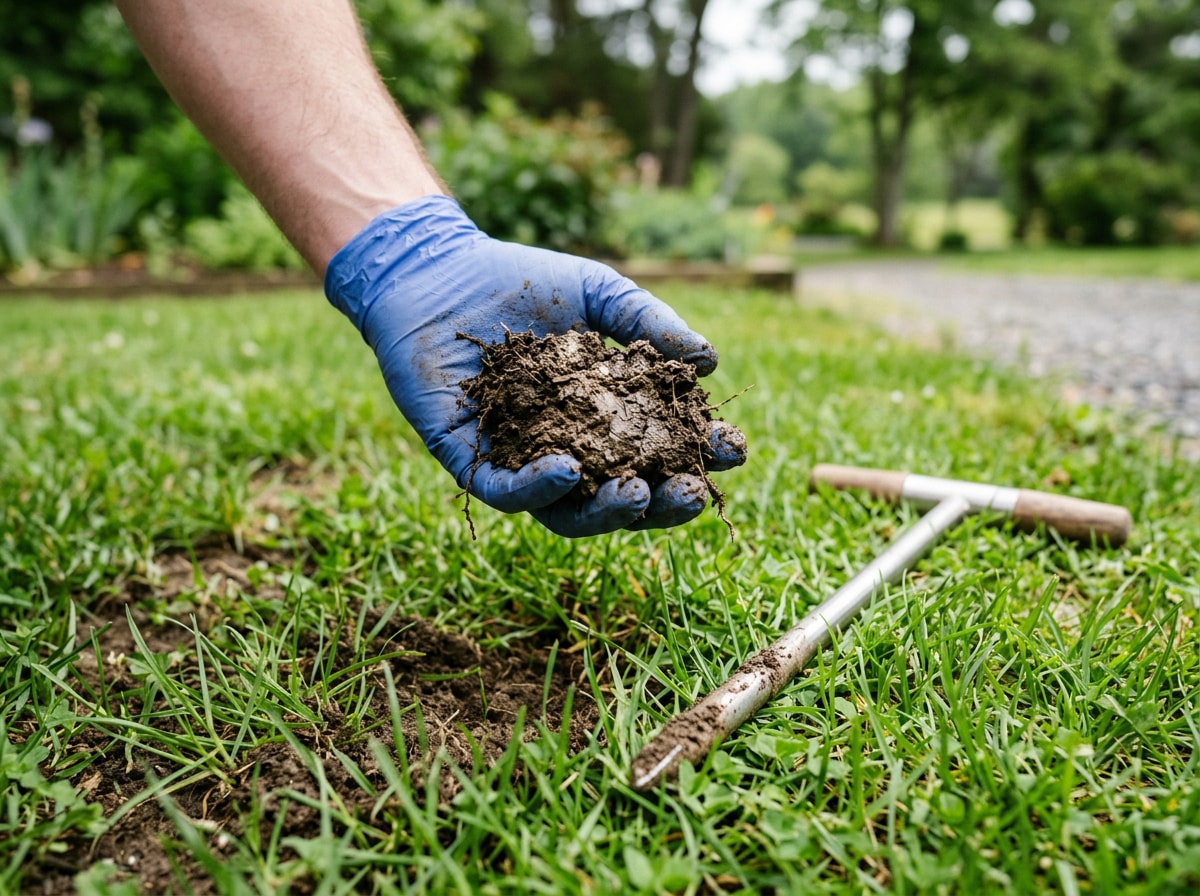
A standard soil test measures pH, organic matter, texture, and phosphorus and potassium levels. Soil testing determines important physical characteristics of your soil including texture, pH, and organic matter, along with the three main nutrients plants need: nitrogen, phosphorus, and potassium. Skip this step and you're guessing at why the same spot keeps failing.
Imbalanced pH is a common, overlooked cause of "repair that didn't take." The University of Minnesota's own soil lab backs this up at scale: results from decades of testing show that many Minnesota lawns and gardens have much more phosphorus than they actually need , which throws off nutrient uptake even when fertilizer is applied correctly. The University of Minnesota Soil Testing Lab runs regular soil tests for homeowners across the state, including Chisago County.
How Much of Your Lawn Actually Needs Repair vs. Full Renovation
This is the question most homeowners can't answer on their own, and it matters because it changes the entire approach. University of Minnesota Extension draws a clear line: about 30 to 50 percent of the lawn being dead or sparsely growing is the threshold where simple patching stops working and renovation becomes the better investment. Below that line, targeted overseeding and aeration usually get the job done. Above it, you're better off treating the whole area as one project rather than chasing patches for two more summers.
What to Expect From a Lawn Repair Visit
Most repair projects follow a similar arc, whether it's a single aeration visit or a full renovation:
- Free on-site estimate, where a technician checks grass type, soil condition, and weed pressure
- Aeration, overseeding, or sod installation, scheduled around the right seasonal window
- Germination within 7-14 days for seeded areas (sod is ready to use almost immediately)
- First mow around week three
- Visibly filled-in turf by week five or six
Request a free estimate and we'll tell you up front which path fits your lawn, not just the one that's easiest to sell.
Sprinkler and Irrigation Repair
Newly seeded or sodded turf needs consistent moisture while it establishes, and a cracked line or misaligned head can undo weeks of repair work fast. An estimated 28 million homes across the United States have in-ground sprinkler systems that typically schedule watering with a clock-based controller , which often means overwatering some zones and underwatering others. We bundle irrigation installation and irrigation repair with lawn repair projects for exactly this reason. For a deeper look at efficient watering technology, see the EPA WaterSense program.
Seasonal Clean-Ups
Spring and fall clean-ups, including leaf removal, edging, and bed prep, help repair work actually take hold before and after the growing season. These are usually bundled into ongoing landscape maintenance rather than booked as one-off visits.
Choosing the Right Repair Package
Repair needs range from a single spot treatment to a full-yard renovation. We build packages around the actual damage rather than selling a flat, one-size service.
| Package Type | Typical Scope | Good Fit For |
|---|---|---|
| Spot Repair | Aeration + overseeding on specific bare areas | Lawns under 20% damaged |
| Partial Renovation | Soil test, aeration, overseeding, drainage check | Lawns 20-40% damaged |
| Full Renovation | Grading, soil amendment, sod or full reseed | Lawns over 40% damaged |
See examples of completed yards in our project gallery, or browse the full landscaper service list to see what's typically paired with repair work. If you're also planning a redesign alongside the repair, our landscaping designers guide for Lindstrom, MN covers what that process looks like.
Ready to stop guessing at what your lawn needs? Get a free estimate from the team at Sunrise Lawns & Landscaping and we'll map out the repair plan on-site.
FAQ
What services do you offer for lawn repair?
Aeration and overseeding, sod installation, grading and drainage correction, soil testing guidance, sprinkler repair, and seasonal clean-ups. Most projects combine two or three of these.
How much does lawn repair cost?
Cost depends on square footage, whether the project uses seed or sod, and whether grading or drainage correction is needed on top of the turf work. Request a free estimate for a number specific to your yard.
When is the best time to repair a lawn in Minnesota?
Late summer into early fall, roughly mid-August through September, is the window University of Minnesota Extension recommends for cool-season grass repair. Aerate or dethatch when the lawn is actively growing, and the best time to do it in Minnesota is from mid-August through September. Spring works as a secondary option for repairing winter damage, but fall gives seed the best shot at establishing before summer heat and disease pressure return.
What's the difference between overseeding and reseeding?
Overseeding adds seed into living turf to thicken it up. Reseeding, sometimes called renovation, replaces an area that's fully dead or too far gone to recover on its own.
Will bare patches fill back in on their own?
Rarely, if the underlying cause (compaction, poor drainage, or soil nutrient imbalance) hasn't been addressed. Grass needs loose soil and the right pH to root into; without that, the same spot tends to go bare again even after reseeding.
Do I need sod or seed to fix bare patches?
Seed is usually cheaper and blends in naturally once established, but it takes weeks to fill in and needs consistent watering. Sod is the better choice for large dead areas, slopes at risk of erosion, or any timeline shorter than a full growing season.